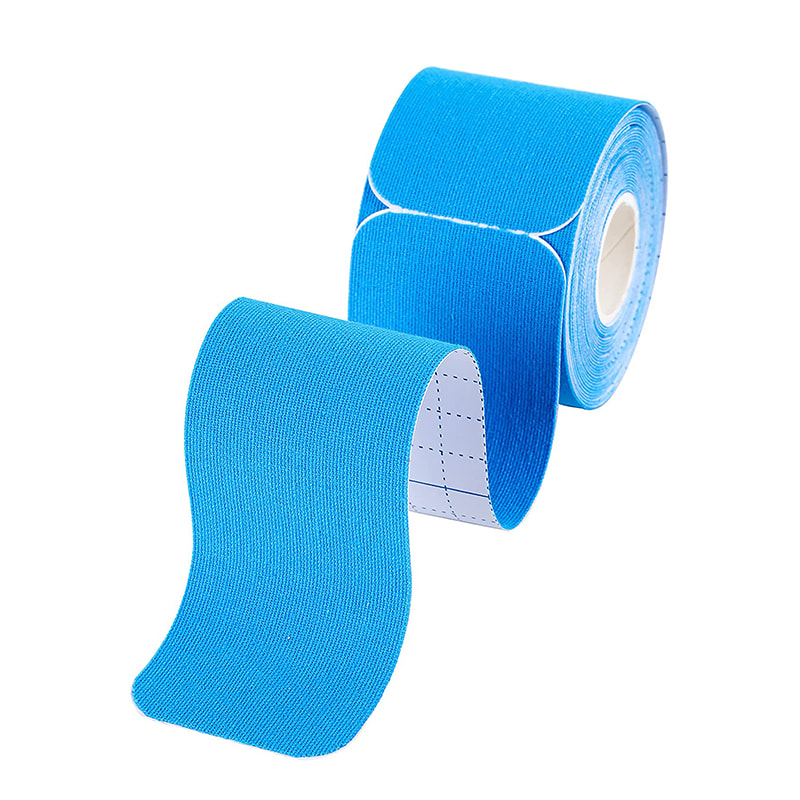
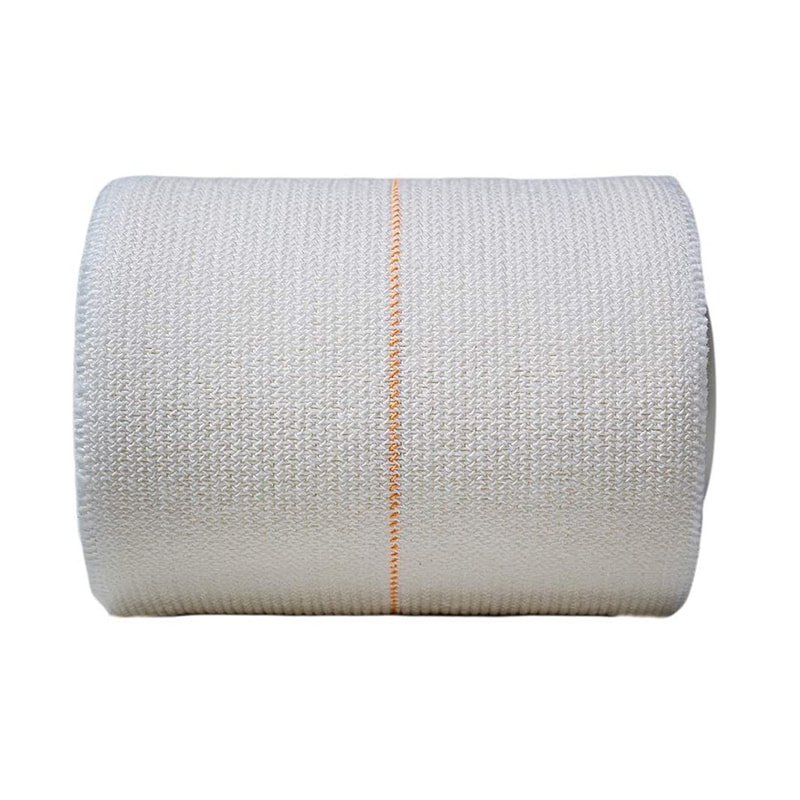
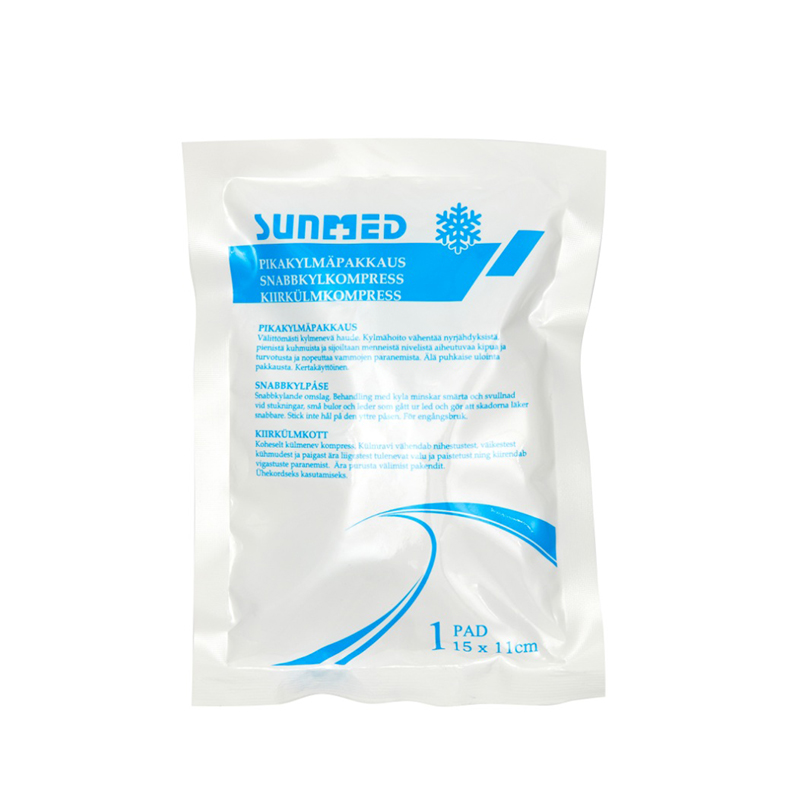
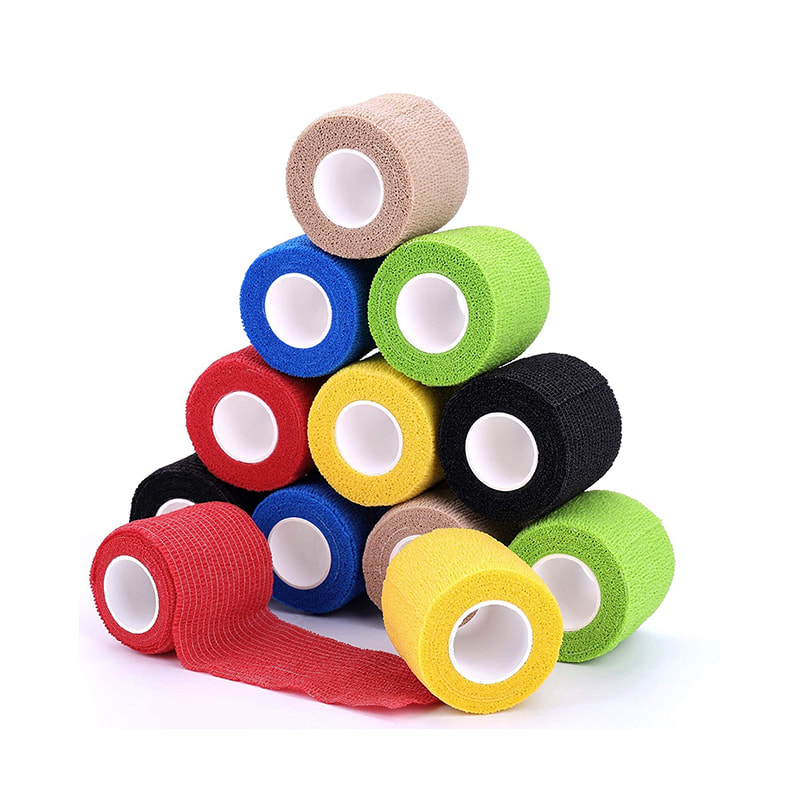
An elastic adhesive bandage is one of the most practical supplies in any first-aid kit, sports bag, or hospital ward. It combines the stretch of an elastic fabric with a skin-friendly adhesive layer, so it can hold a dressing in place, support a sore joint, and apply gentle compression without the need for clips, pins, or tape. For buyers, distributors, and healthcare providers, understanding how these products work and how to evaluate them makes it easier to choose a bandage that performs reliably in real-world use.
What Makes an Elastic Adhesive Bandage Different from Other Bandages?
A standard gauze roll needs a separate fastener, and a traditional elastic wrap often relies on metal clips or hook-and-loop closures. An elastic adhesive bandage removes that step. One face of the fabric is coated with an adhesive that bonds to the bandage itself, to a dressing, or to lightly to skin, depending on the design. This gives it a secure grip while the fabric still stretches with the body.
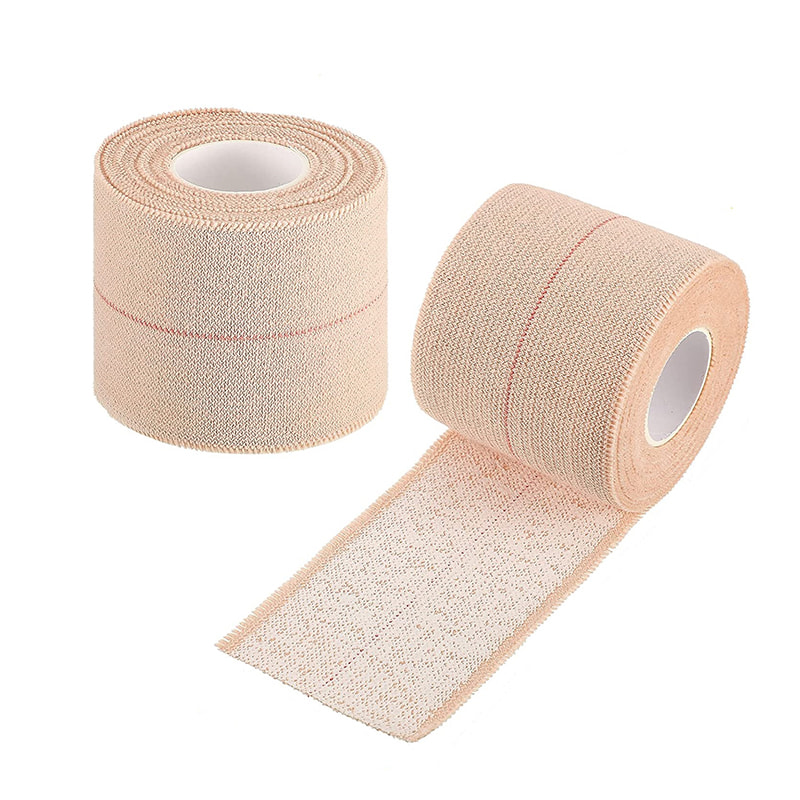
The result is a product that offers three benefits at once: flexible support, mild compression, and wound protection. Because the material stretches, it accommodates bending at the elbow, knee, ankle, and wrist. Because it adheres, it stays put during walking, exercise, or sleep. This balance is why elastic adhesive bandages are used across sports medicine, emergency care, and post-operative recovery.
Where Are Elastic Adhesive Bandages Most Commonly Used?
These bandages are versatile, and the same basic product can serve very different needs. The following are the most common application areas.
Sports-Related Joint Support
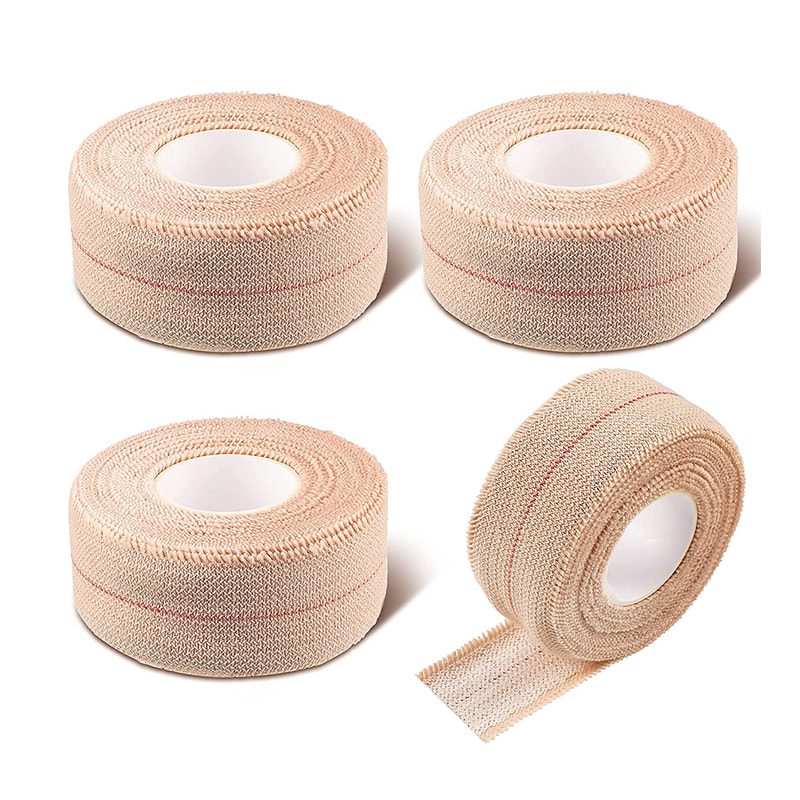
Athletes use elastic adhesive bandages to stabilize ankles before basketball or football, to wrap wrists during weightlifting or racquet sports, and to support knees during running. The bandage limits excessive movement without locking the joint completely, which helps the wearer stay mobile. Many coaches and trainers also use them to hold protective padding in place during training sessions.
Trauma and Wound Dressing Retention
In emergency and first-aid settings, the bandage is often used over a sterile pad to secure it on a limb, hand, or foot. Its stretch allows the dressing to be held firmly without cutting off circulation when applied correctly, and its adhesive prevents the wrap from unrolling during transport or movement.
Post-Surgery Recovery
After minor procedures or orthopedic treatment, patients may need light compression to help manage swelling and to keep dressings stable. An elastic adhesive bandage can be adjusted easily by nurses or caregivers, and it is comfortable enough for extended wear when the right width and tension are selected.
Everyday and Home Care
At home, people use these bandages for minor sprains, strained muscles, and small injuries that need protection. Because they do not require clips, they are especially convenient for older adults and for anyone wrapping a limb by themselves.
How Are Elastic Adhesive Bandages Made?
Quality starts with the base fabric and the adhesive. Understanding the construction helps buyers ask better questions when comparing suppliers.
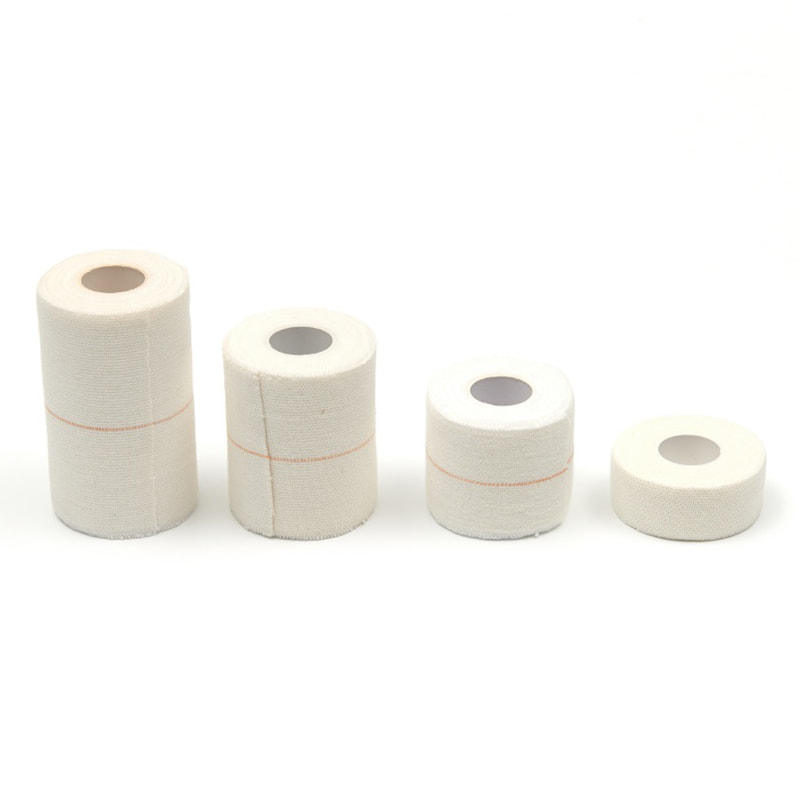
- Base fabric: Most products use a blend of cotton, polyester, or nonwoven fibers combined with elastic yarns. Cotton-rich fabrics tend to feel softer and more breathable, while synthetic blends often offer higher durability and consistent stretch.
- Elastic component: Spandex, rubber, or similar elastic threads provide recovery after stretching. Good recovery means the bandage returns close to its original length after use, maintaining support throughout wear.
- Adhesive layer: The coating is applied evenly across the fabric or in a pattern. A well-formulated adhesive sticks to the bandage and dressing reliably, releases cleanly, and avoids leaving heavy residue.
- Edge finishing: Clean, tear-resistant edges reduce fraying and make the bandage easier to apply and remove.
The consistency of coating weight, fabric tension, and roll winding all affect how the finished bandage behaves. This is one reason manufacturing control matters so much for repeat orders.
Which Specifications Should You Compare Before Buying?
Different uses call for different sizes and characteristics. The table below shows how common body areas and applications typically match with bandage widths. These are general guidelines, and the final choice should depend on the user and the clinical or sporting context.
| Body Area |
Typical Width |
Common Purpose |
| Fingers and hands |
2.5 cm to 5 cm |
Dressing retention, light support |
| Wrist and forearm |
5 cm to 7.5 cm |
Sports support, mild sprains |
| Ankle and foot |
7.5 cm to 10 cm |
Joint stabilization, injury care |
| Knee and elbow |
7.5 cm to 10 cm |
Movement support, post-surgery wraps |
| Thigh and larger limbs |
10 cm to 15 cm |
Muscle support, large dressings |
Beyond width, consider length when stretched, since this determines how many wraps you can complete on a single roll. Also compare the degree of stretch, the adhesive strength, breathability, and whether the bandage is latex-free. Latex-free options are important for users with sensitivities and are often preferred by hospitals and retailers.
How Should You Apply an Elastic Adhesive Bandage Correctly?
Even a well-made bandage will not perform properly if it is applied incorrectly. Good technique improves comfort and helps avoid problems such as restricted circulation.
- Clean and dry the area first. Moisture and lotions can weaken adhesion.
- Place any sterile dressing or padding over the wound or sensitive area before wrapping.
- Start wrapping below the injury and work upward, overlapping each turn by roughly half the bandage width.
- Apply even, moderate tension. The bandage should feel snug but never tight enough to cause numbness, tingling, or color changes in the fingers or toes.
- Press the end firmly so the adhesive layer bonds securely.
- Check the wrap periodically and loosen or reapply it if swelling increases or discomfort develops.
Removal should be gentle. Peeling back slowly in the direction of hair growth and supporting the skin with the other hand can reduce irritation. Anyone with severe pain, heavy swelling, or a deep wound should seek professional medical advice rather than relying on a bandage alone.
What Should Distributors and Buyers Look for in a Manufacturer?
For wholesalers, hospital suppliers, and brand owners, the choice of manufacturer affects product consistency, delivery reliability, and long-term margins. A dependable partner should be able to demonstrate control over materials, production, and quality checks.
Quality Management and Compliance
Ask whether the factory operates under a recognized medical device quality system and whether its products can support the regulatory requirements of your target market. Request test reports for elasticity, adhesion, and skin compatibility, and review how batches are traced and inspected before shipment.
Customization and Packaging
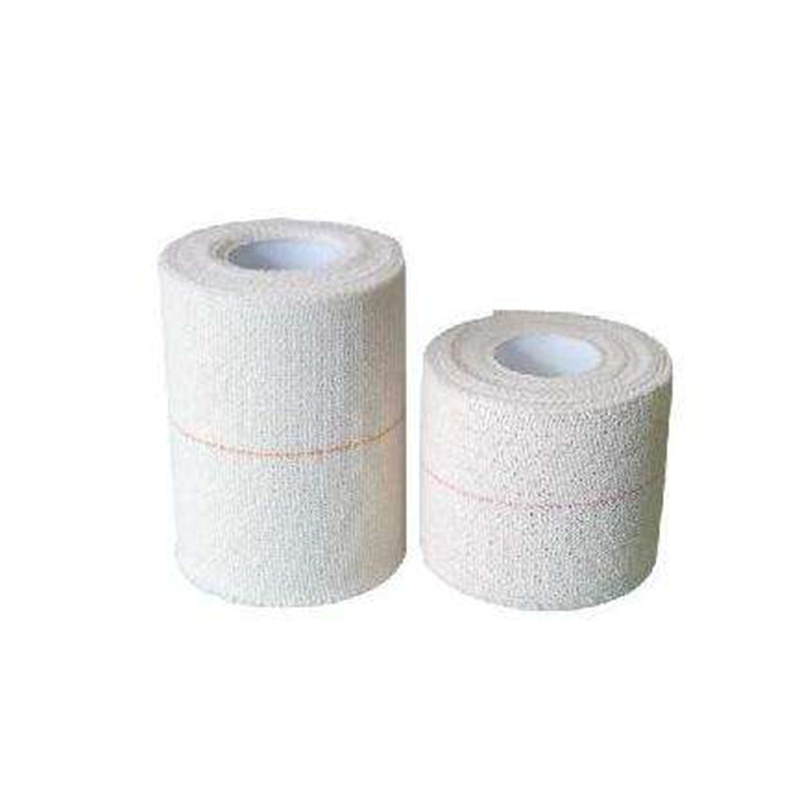
Many buyers need specific widths, lengths, colors, or private-label packaging. A capable manufacturer can adjust roll dimensions, offer individual or bulk packing, and print custom labels. Clear communication on minimum order quantities and lead times helps avoid supply gaps.
Consistency and Support
Samples are useful, but repeat orders show the real picture. Compare the first sample with later production batches to confirm that stretch, adhesive strength, and appearance remain uniform. Responsive after-sales support is also valuable when questions or adjustments arise.
Suzhou Sunmed is an established manufacturer of elastic adhesive bandages that aims to meet varied product requirements and build long-term cooperative relationships with its customers. Buyers who want to evaluate Suzhou Sunmed Elastic Adhesive Bandage products can request samples and specifications to see how they fit their intended application and market.
How Should Elastic Adhesive Bandages Be Stored and Handled?
Proper storage protects both the elastic fibers and the adhesive. Keep rolls in a cool, dry place away from direct sunlight and heat sources, since high temperatures can soften the adhesive and reduce elasticity over time. Store them in their original packaging until use to prevent dust and moisture from affecting adhesion. For medical facilities, following a first-in, first-out rotation helps ensure that older stock is used before it approaches its recommended shelf life.
Users should also avoid stretching the bandage to its maximum limit during application. Over-stretching can reduce its recovery and may create excessive pressure on the skin. Reusing an adhesive bandage is generally not recommended, because the adhesive loses strength and hygiene cannot be assured.
Final Thoughts on Choosing the Right Bandage
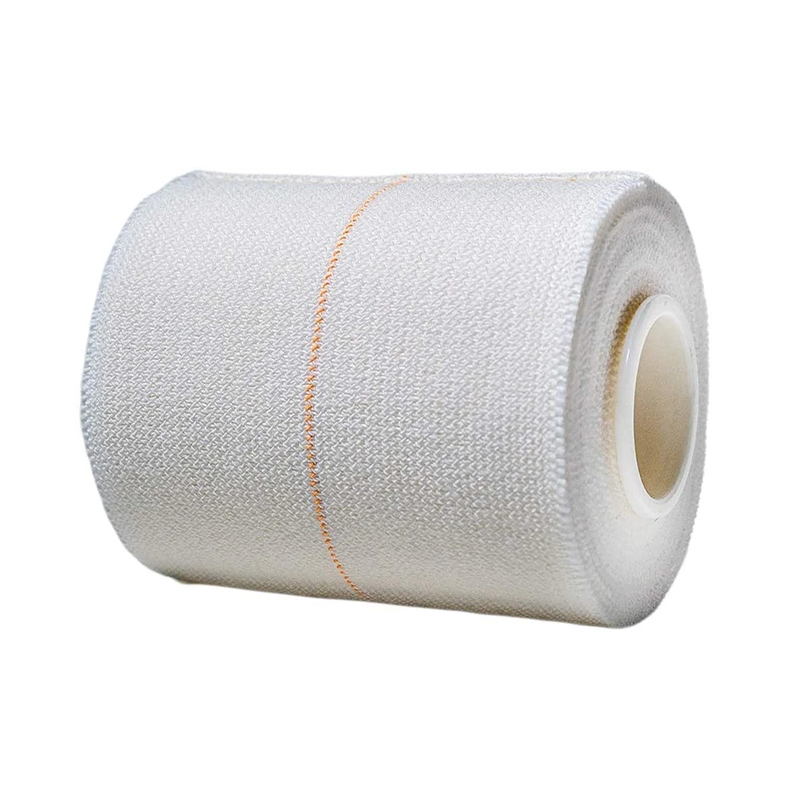
An elastic adhesive bandage may look simple, but its performance depends on fabric quality, elastic recovery, adhesive formulation, and correct application. Matching the width, stretch, and material to the intended use, whether it is sports support, wound dressing retention, or post-surgery care, delivers better comfort and better results. For businesses sourcing these products, working with a manufacturer that offers consistent quality, flexible customization, and dependable service is just as important as the product specification itself. By comparing samples, verifying quality documentation, and understanding real user needs, buyers can build a product line that supports customers reliably and earns repeat orders over time.

 日本語
日本語 한국어
한국어 Tiếng Việt
 عربى
عربى Nederlands
 Bahasa Melayu
 Polskie
 Português
 ไทย
ไทย svenska
 עִברִית
 norsk
norsk Suomalainen
 Ελληνικά
 Română
 čeština
 Magyar
 Pilipino
 Український
 dansk
dansk pt-br
pt-br By Admin