A first aid kit is one of those purchases people make once and then stop thinking about, until the moment it actually matters. Over the years we have supplied filled kits, empty cases and the consumables that go inside them to distributors, pharmacies, workplace safety buyers and outdoor brands, and the same questions surface every time: what belongs in the kit, how much of it, and how do you keep the contents usable two years after the box was sealed? The answers are more practical than most people expect.
What a First Aid Kit Is Really For
Before listing items, it helps to be clear about the job. A kit is not a small hospital. It exists to do three things well: stop or slow bleeding long enough to reach proper care, cover a wound so it stays clean, and protect the person giving help from contact with blood or other fluids. Everything else is a bonus.
That framing settles most arguments about contents. A kit with twenty types of plaster but no way to apply pressure to a deep cut is poorly designed. A kit with a good compression bandage, a pair of gloves and a foil blanket will outperform a much larger box in a real emergency. When we review kit specifications with buyers, we usually start from these three functions and work outward.
The Contents That Earn Their Space
Most well-built kits fall into six groups, and each group has a clear reason for being there:
- Bleeding control: adhesive plasters in assorted sizes, sterile gauze swabs, a conforming bandage, a cohesive bandage and, for higher-risk settings, a trauma or Israeli-style dressing.
- Wound cleaning: antiseptic wipes, alcohol prep pads, sterile saline or wound wash, and clean gauze for drying around the wound edge.
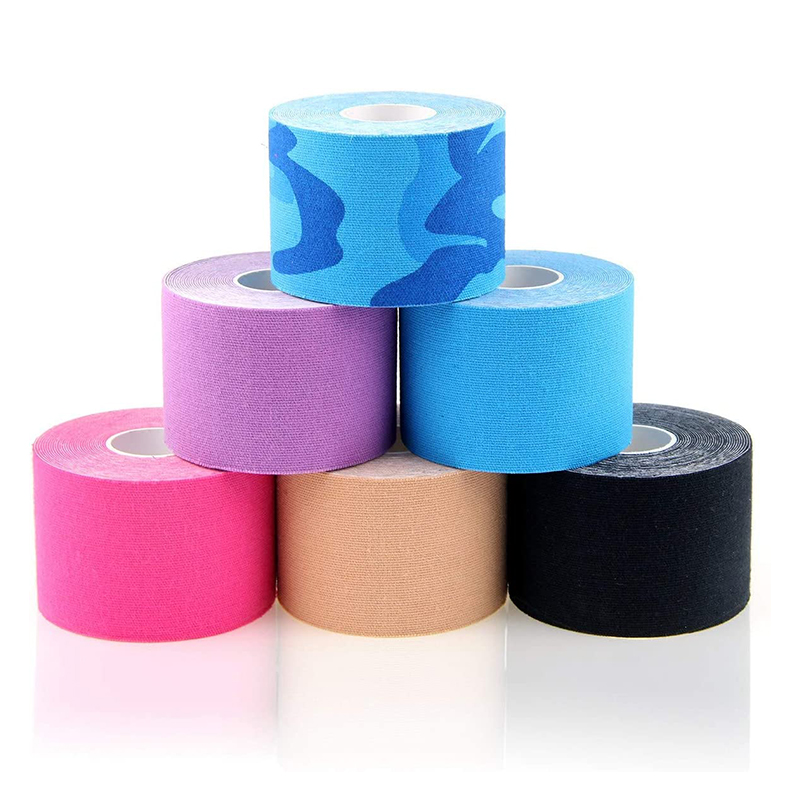
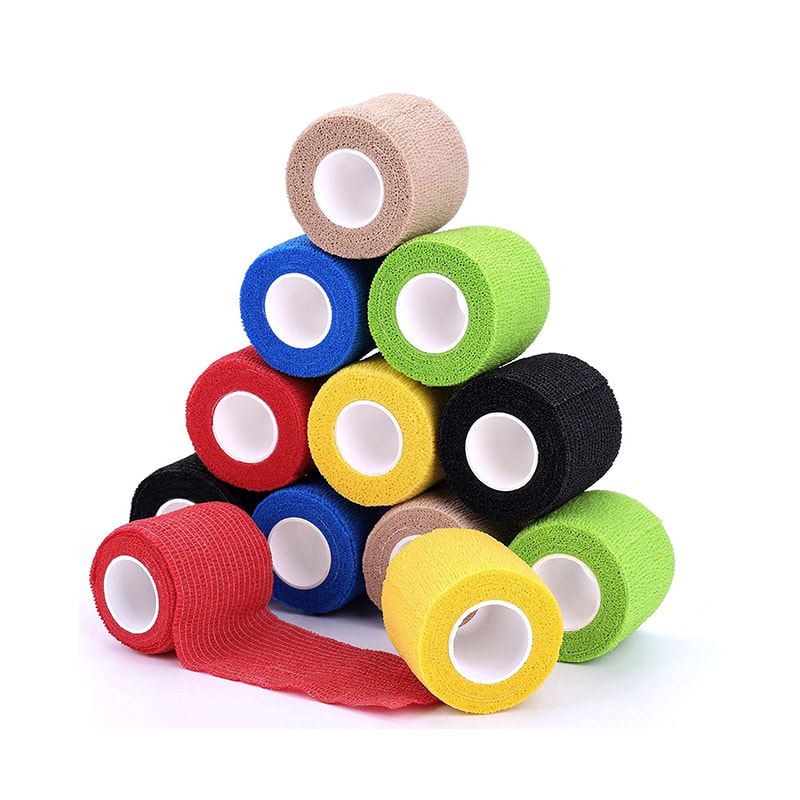
- Covering and fixation: adhesive wound dressings, non-adherent pads for burns and grazes, medical tape, and a triangular bandage that doubles as a sling or a improvised tie.
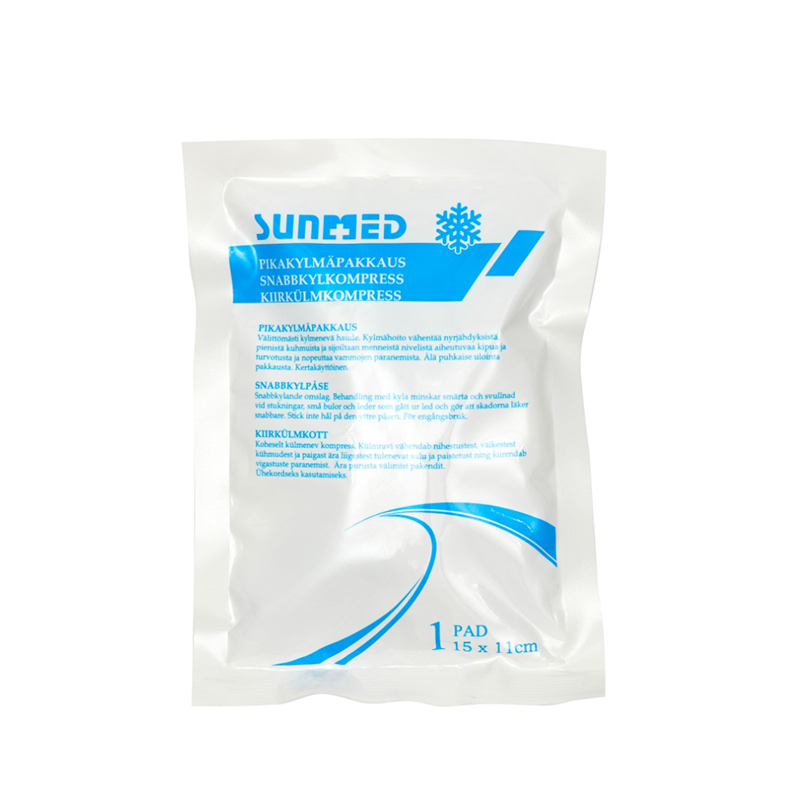
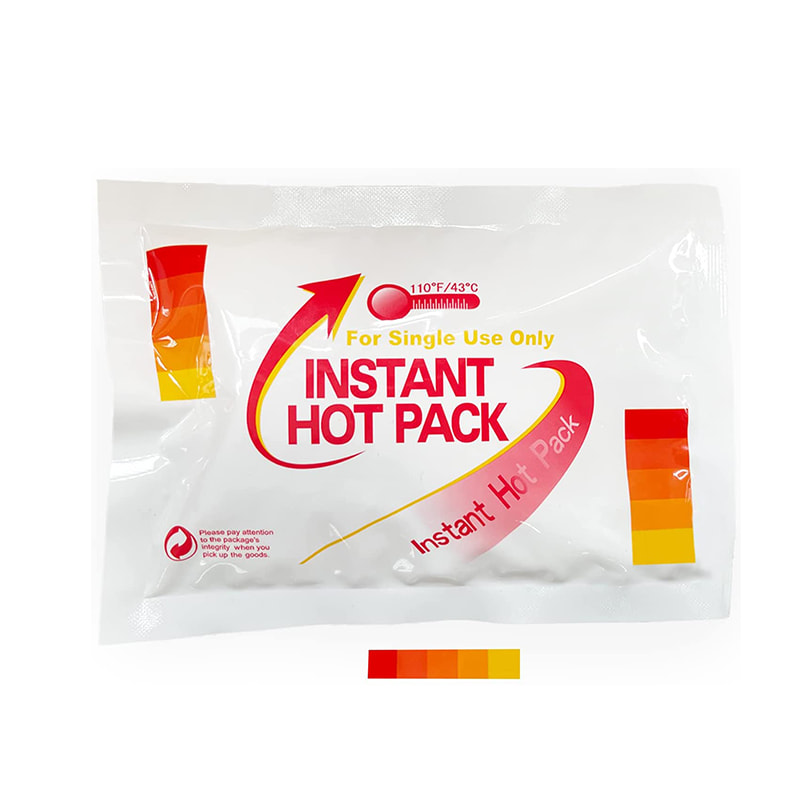
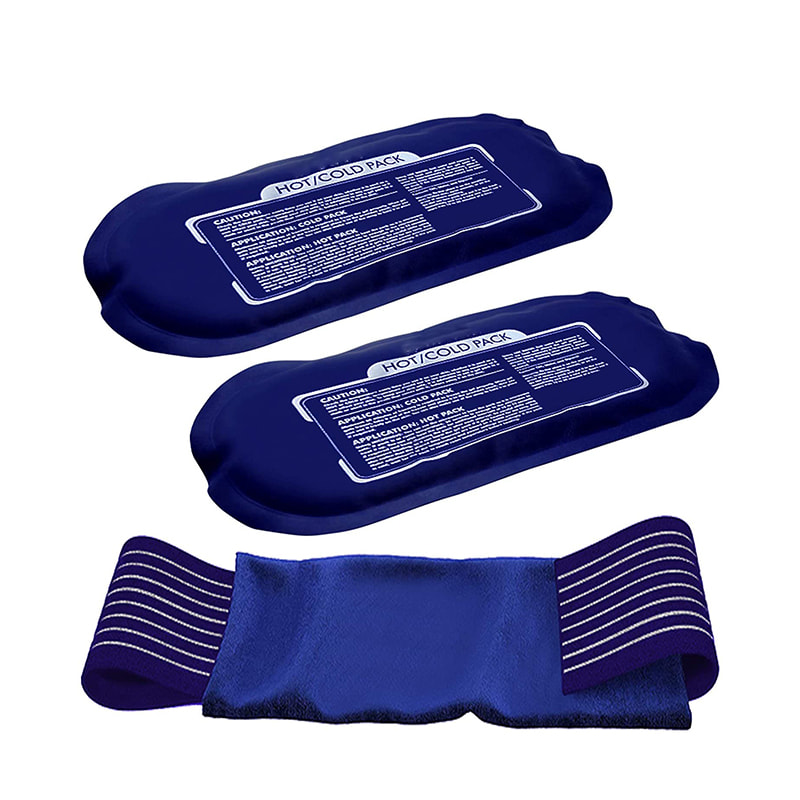
- Support and immobilisation: elastic bandages for sprains, a cold pack for swelling, and a splint or finger splint in kits used away from help.
- Tools: blunt-nose scissors, tweezers, safety pins, a torch and a small mirror. Sharp-tipped scissors have no place in a kit that might be opened in poor light.
- Protection and records: disposable gloves, a CPR face shield, a foil survival blanket, and a card listing emergency numbers and the contents so items can be replaced.
A Practical Contents Checklist by Scenario
The table below is a reasonable starting point for a household kit, with notes on how the same categories shift for vehicles, workplaces and outdoor use.
Quantities reflect a basic household kit for four people; vehicle, workplace and outdoor kits scale up or swap items such as eyewash, burn dressings and trauma dressings.
| Item |
What it does |
Starting quantity |
| Adhesive plasters, assorted |
Covers small cuts and blisters |
20 to 25 |
| Sterile gauze swabs |
Cleans and pads wounds |
10 pads |
| Conforming bandage |
Holds dressings in place |
2 rolls |
| Cohesive bandage |
Light compression and support |
1 to 2 rolls |
| Triangular bandage |
Sling, padding or improvised tie |
2 |
| Adhesive wound dressing |
Waterproof cover for larger grazes |
3 to 5 |
| Antiseptic wipes |
Cleans skin around a wound |
10 |
| Medical tape |
Secures pads and dressings |
1 roll |
| Disposable gloves |
Barrier protection for the helper |
4 pairs |
| Instant cold pack |
Reduces swelling after a knock |
1 to 2 |
| Foil blanket |
Retains body heat while waiting |
1 |
| Scissors and tweezers |
Cutting tape, removing splinters |
1 each |
Pre-Filled Kit or Empty Case? Choosing Your Starting Point
Buyers usually arrive at one of two decisions. A filled kit is the right answer when the priority is speed and consistency: workplace compliance, fleet vehicles, retail shelves, or a thousand kits that all need to contain the same items on the same day. The work has been done for you, the contents are dated, and the packaging is already sized around them.
An empty case makes more sense when the contents are only part of the story. Many of our customers assemble their own kits because their market needs a specific mix, a local standard, or a brand experience that a generic refill cannot deliver. Choosing the case first, then the fill, keeps the contents honest: you only include what fits the space and the purpose.
 Home First Aid Kit with Assorted Bandages and SuppliesA supplied home kit with bandages, plasters, gauze, gloves, scissors and safety pins, available for OEM and bulk supply inquiries.View Product →
A third route is increasingly common: a semi-assembled kit with the bulky items packed and the consumables supplied in refill packs, so the kit can be restocked locally rather than replaced entirely.
 Custom Waterproof EVA Empty First Aid CaseAn empty zippered EVA hard-shell case for handbags, luggage or vehicles, customizable in color with a 2,000-piece minimum order.View Product →
Materials Decide Whether the Kit Gets Used
Two kits can carry identical printed contents lists and behave completely differently in the field. The difference is almost always material quality.
Adhesive plasters
Fabric plasters flex with fingers and stay put through hand-washing; PE plasters are thinner, cheaper and better suited to short-term use or high-volume giveaways. Waterproof variants matter for kitchen, cleaning and outdoor work, while blue detectable plasters exist precisely so they can be found if they fall into food processing areas.
Bandages and dressings
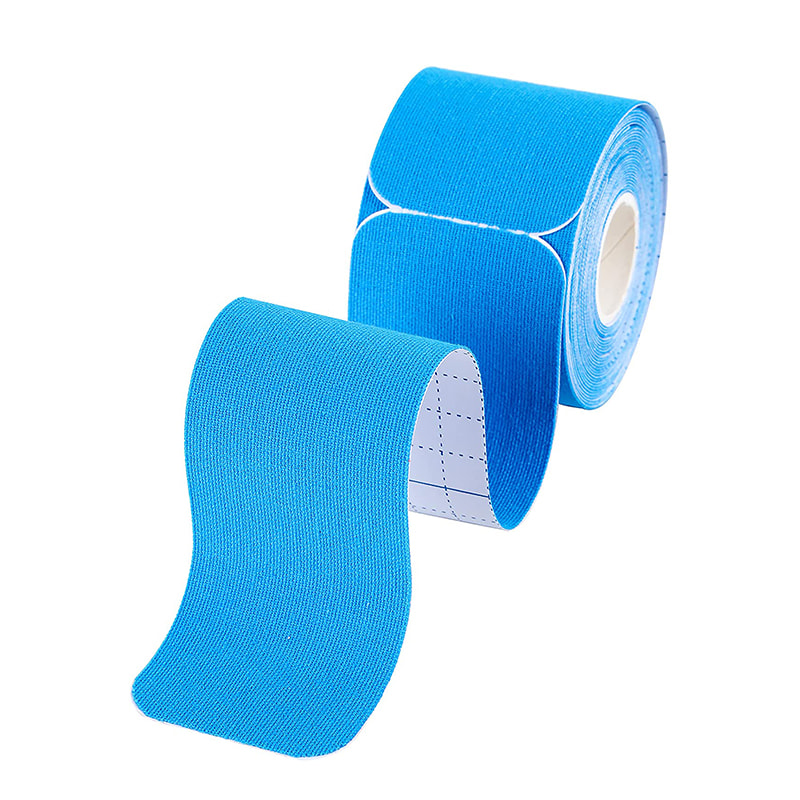
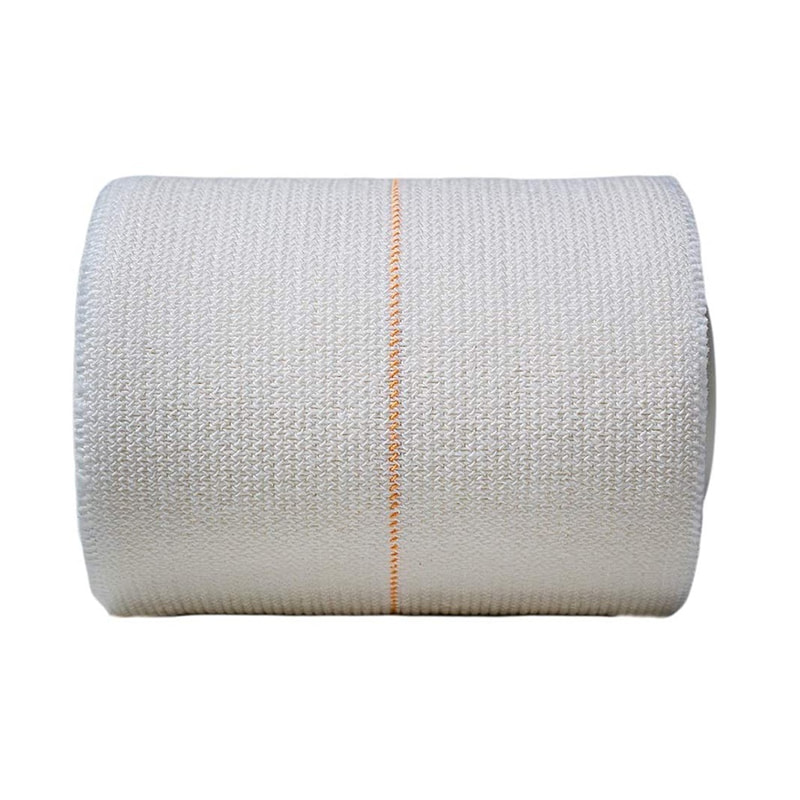
For sprains, elastic adhesive bandages and cohesive bandages do different jobs: the first adheres to itself and the skin, the second sticks only to itself, which makes it friendlier for repeated re-wrapping and for people with sensitive skin. For wounds, non-adherent pads prevent the dressing from bonding to a healing surface, which is exactly what you want on burns and grazes.
Shelf life and sterility
Sterile items carry a date, and the packaging is part of the product. A punctured pouch is no longer sterile, no matter what the label says. Latex-free construction is now an expectation rather than a premium feature in most export markets, and it is worth confirming in writing rather than assuming.
Matching the Kit to Regional Standards
If the kit crosses a border, the contents list usually stops being a design choice and becomes a compliance document. Germany's DIN 13164 defines what a car kit must contain. In the United Kingdom, HSE guidance shapes workplace kits and BSI specifications set out contents for specific environments. North American buyers typically work to ANSI/ISEA requirements. The lists overlap heavily but differ in details such as whether eyewash, burn dressings or a specific number of triangular bandages are mandatory.
Getting this wrong is expensive. A kit that meets one country's standard may be rejected at another border, and reworking a finished pallet is far more costly than specifying the fill correctly at the quotation stage.
 DIN 13164 Car First Aid KitA vehicle first aid kit identified by the DIN 13164 standard; visible details are limited, so confirm contents and packaging before quotation.View Product →
What Bulk Buyers Should Ask Before Ordering
Whether you are sourcing ten thousand kits or a container of refills, a short list of questions prevents most later problems:
- Which standard, if any, does the fill need to satisfy, and can the supplier document it?
- Are sterile items individually pouched, and what expiry dating is printed on each unit versus the outer carton?
- Is the case reusable, and does the clasp survive being opened and closed hundreds of times?
- Can the contents list be printed in the destination language, and does the artwork need regulatory marks?
- What is the minimum order quantity per configuration, and how are mixed pallets handled?
- Which items are likely to be restocked most often, and are refill packs available separately?
For buyers building a private-label range, our OEM and custom supply service covers case selection, fill configuration, printing and packaging specification in one conversation, which tends to shorten the sampling cycle considerably.
Keeping a Kit Ready, Not Just Stocked
The most common failure we see is not a missing item but an expired one. A kit assembled in 2023 and never checked will still look complete in 2026 while containing wipes that have dried out and pouches that have lost their seal. A simple routine solves it: pick a date once a year, open the kit, check every expiry, replace anything used or expired, and confirm the scissors still cut and the torch still works.
Storage matters too. Heat, sunlight and damp ruin adhesives faster than anything else, which is why vehicle kits belong in the boot rather than on the dashboard. And a kit is only useful if people know where it is and how to open it, so brief whoever is likely to reach for it first.
If you are working through a specification and want a second opinion on contents, materials or packaging, our team is always happy to talk it through. You can reach us here and we will point you toward the configuration that fits your market rather than the one that is easiest to ship.

 日本語
 한국어
 Tiếng Việt
 عربى
 Nederlands
 Bahasa Melayu
 Polskie
 Português
 ไทย
 svenska
 עִברִית
 norsk
 Suomalainen
 Ελληνικά
 Română
 čeština
 Magyar
 Pilipino
 Український
 dansk
 pt-br
 By Admin