A gauze bandage roll is one of the most fundamental supplies in any medical setting, from hospital operating rooms to home first aid kits. Despite its simplicity, not all gauze bandage rolls are created equal, and choosing the wrong type or grade for a given application can compromise wound care outcomes. Absorbency, weave density, sterility, and material composition all play a role in how well a gauze roll performs, whether it is being used to dress a surgical incision, secure a splint, or provide compression for a minor injury.
What Is a Gauze Bandage Roll and How Is It Used?
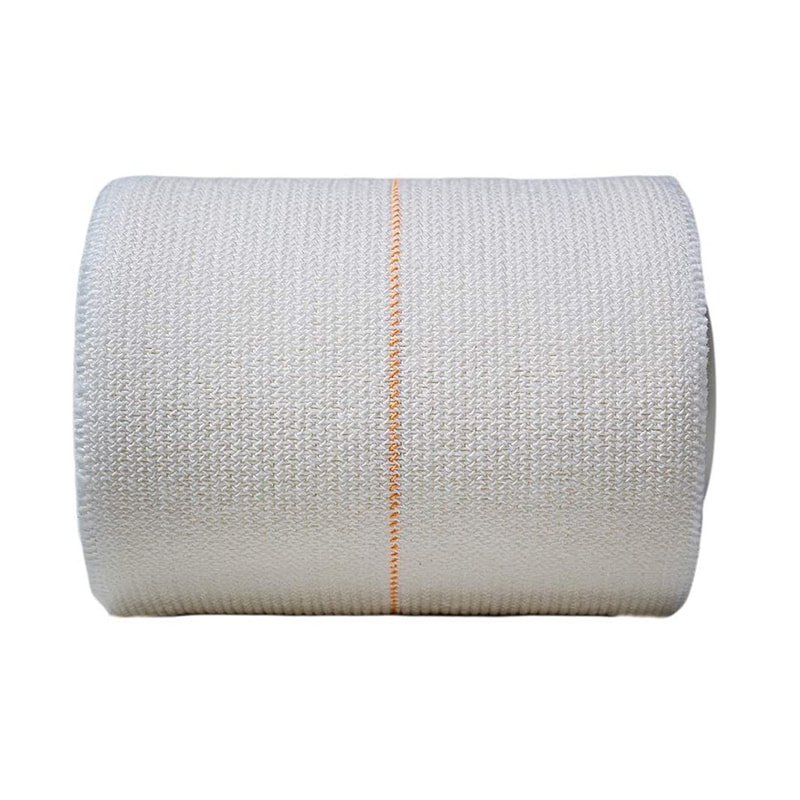
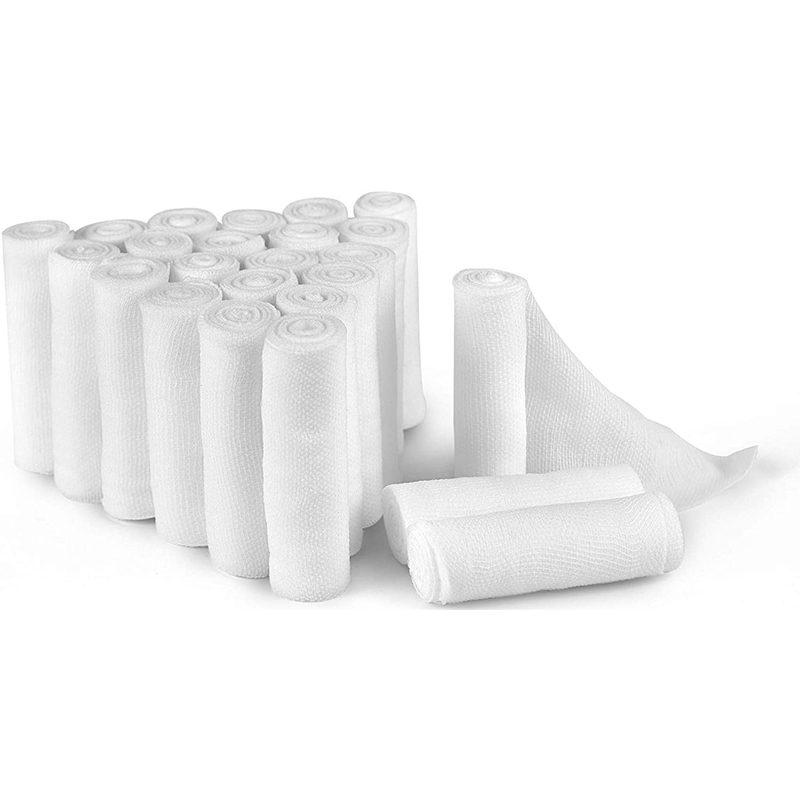
A gauze bandage roll is a length of woven or non-woven fabric, typically made from cotton or a cotton-polyester blend, rolled into a compact cylinder for easy storage and application. Unlike gauze pads, which are cut into fixed sizes for direct wound coverage, gauze rolls are designed to be wrapped around a body part, allowing the user to control the length, tension, and number of layers applied. This flexibility makes gauze rolls particularly useful for wrapping irregularly shaped areas such as joints, fingers, or limbs, where a pre-cut pad would not conform well.
Clinically, gauze bandage rolls serve several distinct purposes. They can act as a primary dressing that sits directly against a wound, a secondary dressing that holds a primary dressing in place, or a wrapping material used to apply light compression that reduces swelling. In surgical settings, sterile gauze rolls are also used to pack wounds, absorb exudate during procedures, and provide temporary hemostatic pressure before more definitive dressings are applied.
Common Materials Used in Gauze Bandage Rolls
The material composition of a gauze roll directly affects its absorbency, softness, and cost. Understanding the differences helps buyers select the right product for a given clinical or budgetary requirement.
100% Cotton Gauze
Pure cotton gauze remains the gold standard for wound care applications where high absorbency and softness against the skin are priorities. Cotton fibers absorb fluid effectively and tend to be gentler on sensitive or broken skin compared to synthetic blends. This makes 100% cotton gauze a preferred choice for direct wound contact, particularly in pediatric or geriatric care where skin fragility is a concern.
Cotton-Polyester Blends
Blended gauze rolls combine cotton with synthetic fibers such as polyester to improve tensile strength and reduce linting, which refers to loose fibers shedding into a wound bed. These blends are often used for secondary wrapping and compression applications where direct wound contact absorbency is less critical than durability and consistent tension during application.
Non-Woven Gauze
Non-woven gauze is manufactured using a bonding process rather than traditional weaving, resulting in a material that generally produces less lint and offers more uniform absorbency across its surface. While less common in roll form compared to pads, non-woven gauze rolls are increasingly used in settings where minimizing fiber shedding into a wound is a priority, such as in surgical suites.
Sterile Versus Non-Sterile Gauze Bandage Rolls
One of the most important distinctions buyers must understand is the difference between sterile and non-sterile gauze bandage rolls, since using the wrong type in the wrong setting can introduce infection risk or waste resources unnecessarily.
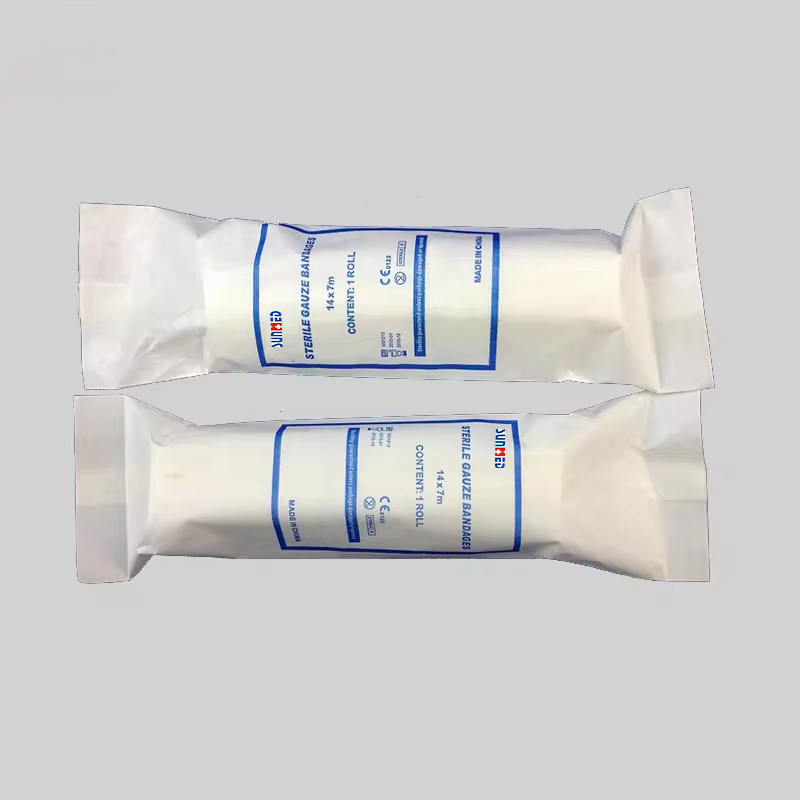
Sterile gauze rolls, such as the Suzhou Sunmed Sterile Gauze Bandage Roll, are processed and packaged under controlled conditions and typically sterilized using ethylene oxide gas or gamma irradiation. These products are individually or batch-sealed to maintain sterility until the package is opened, making them appropriate for direct contact with open wounds, surgical sites, or any application where infection control is critical. Non-sterile gauze rolls, by contrast, are manufactured under standard hygienic conditions but are not subjected to a formal sterilization process. These are generally suitable for securing dressings, providing padding under splints, or general wrapping where the material will not directly contact broken skin.
Healthcare facilities should maintain clear protocols distinguishing when sterile versus non-sterile gauze is required, and staff training should reinforce that sterile packaging, once opened, has a limited window of guaranteed sterility depending on facility policy and environmental conditions.
Key Specifications to Consider When Purchasing
Gauze bandage rolls come in a range of widths, lengths, and ply counts, and selecting the appropriate specification depends heavily on the intended application. The table below outlines common roll dimensions and their typical use cases.
| Roll Width |
Typical Use Case |
Common Setting |
| 2 inches |
Finger or hand wrapping |
First aid, minor injury care |
| 4 inches |
Limb wrapping, wound packing |
Clinics, hospitals |
| 6 inches |
Large wound coverage, compression |
Surgical settings, trauma care |
| 4.5 x 4.1 yards |
Standard roll length for general use |
Hospitals, EMS kits |
Ply count, which refers to the number of gauze layers folded together, also affects absorbency and thickness. An 8-ply gauze roll, for example, offers greater absorbency and cushioning than a 4-ply roll, making it more suitable for wounds with higher exudate levels. Buyers purchasing in bulk for institutional use should standardize on a small set of widths and ply counts to simplify inventory management while still covering the range of clinical needs across departments.
Quality Indicators to Evaluate Before Purchasing
Not all gauze bandage rolls on the market meet the same quality threshold, and buyers should look beyond price alone when comparing suppliers. Thread count, or the density of the weave, is one of the clearest indicators of quality. A higher thread count generally produces a softer, more durable gauze with better absorbency and less linting. Low-thread-count gauze may feel coarser and is more prone to shedding fibers into a wound, which can delay healing or cause minor irritation.
Whiteness and uniformity of color are also worth checking, since inconsistent bleaching during processing can sometimes indicate variability in raw material quality or manufacturing controls. Buyers should also assess the roll's unwinding consistency; a well-manufactured gauze roll should unwind smoothly without excessive tearing or uneven edges, which affects how easily it can be applied during time-sensitive procedures.
For sterile products specifically, packaging integrity is critical. Individually wrapped sterile gauze rolls should have tamper-evident seals, clear expiration dating, and lot number traceability printed on the packaging. This traceability becomes especially important in institutional purchasing, where the ability to trace a specific batch back to its manufacturing date can matter significantly during a quality investigation or recall.
The Suzhou Sunmed Sterile Gauze Bandage Roll
The Suzhou Sunmed Sterile Gauze Bandage Roll is manufactured with attention to the quality indicators that matter most to healthcare buyers, including consistent thread density, controlled bleaching processes, and reliable sterile packaging. As part of a broader line of wound care and surgical consumables produced by Suzhou Sunmed, the sterile gauze roll is designed to perform reliably across a range of clinical applications, from wound dressing to post-surgical wrapping.
Manufacturing sterile gauze at scale requires tight process control at every stage, from raw cotton processing through weaving, bleaching, cutting, rolling, and final sterilization. Suzhou Sunmed's production process incorporates in-house quality checks at each of these stages, which helps maintain consistency across production batches. This is particularly important for institutional buyers, such as hospital procurement departments, that rely on product performance remaining stable from one shipment to the next, since inconsistent absorbency or packaging quality can disrupt clinical workflows and increase waste.
The sterile packaging used for these gauze rolls is designed to maintain product integrity during storage and transport, which is especially relevant for buyers sourcing internationally and needing assurance that sterility is preserved throughout extended shipping timelines. For buyers evaluating gauze bandage roll suppliers, products like the Suzhou Sunmed Sterile Gauze Bandage Roll illustrate what a well-controlled manufacturing process looks like in practice.
Storage and Shelf Life Considerations
Proper storage significantly affects how long a gauze bandage roll remains usable, particularly for sterile products with a defined shelf life. Sterile gauze should be stored in a cool, dry location away from direct sunlight and humidity, both of which can compromise packaging seals over time and potentially allow moisture or contaminants to reach the product. Facilities should implement a first-in, first-out rotation system for gauze inventory to ensure older stock is used before newer shipments, reducing the likelihood of products expiring on the shelf.
Buyers should also check whether the manufacturer specifies a shelf life for sterile products, which is typically indicated on the packaging along with the sterilization date. Most sterile gauze products carry a shelf life of three to five years when stored under recommended conditions, though this can vary depending on the sterilization method and packaging material used.
Practical Tips for Different Buyer Types
The right gauze bandage roll purchasing strategy varies depending on the buyer's context and volume needs.
- Hospital procurement teams should prioritize suppliers who can provide consistent batch quality documentation, sterility test reports, and reliable lead times for recurring bulk orders.
- Clinics and smaller medical practices may benefit from mixed-case packaging that includes multiple roll widths, reducing the need to manage separate inventory lines for each size.
- Distributors and wholesalers should evaluate a manufacturer's production capacity and export documentation support, since consistent supply and smooth customs clearance directly affect their ability to fulfill downstream orders reliably.
- Individuals stocking home or travel first aid kits generally do not need sterile packaging in bulk but should still check expiration dates and choose reputable brands to ensure basic quality standards are met.
Final Thoughts on Choosing the Right Gauze Bandage Roll
Choosing the right gauze bandage roll comes down to matching material, sterility level, and dimensions to the specific application at hand, while also verifying that the manufacturer maintains consistent quality control throughout production. Whether the need is for a single roll in a home first aid kit or bulk institutional supply for a hospital system, understanding the practical differences between sterile and non-sterile options, weave types, and ply counts helps buyers make informed decisions that support better wound care outcomes. Products such as the Suzhou Sunmed Sterile Gauze Bandage Roll demonstrate the level of manufacturing discipline that buyers should look for, offering a useful benchmark when comparing suppliers in a market where quality can otherwise vary considerably.

 日本語
日本語 한국어
한국어 Tiếng Việt
 عربى
عربى Nederlands
 Bahasa Melayu
 Polskie
 Português
 ไทย
ไทย svenska
 עִברִית
 norsk
norsk Suomalainen
 Ελληνικά
 Română
 čeština
 Magyar
 Pilipino
 Український
 dansk
dansk pt-br
pt-br By Admin