Understanding Why Hydrocolloid Bandages Stick So Well
Hydrocolloid bandages are designed to form a strong, flexible seal over a wound, and that seal is the entire reason they work so well for healing. The adhesive layer typically contains gel-forming agents such as carboxymethylcellulose, gelatin, and pectin, which interact with wound exudate to create a moist healing environment directly over the injury. This moisture-responsive design is exactly what makes hydrocolloid dressings so effective at promoting faster healing, reducing scarring, minimizing pain from nerve exposure, and protecting against bacteria entering the wound bed.
However, the same properties that make them stick securely to skin can also make removal tricky if you don't know the correct technique. Pulling too quickly, removing the bandage while it is still dry, or tugging at an awkward angle can cause discomfort, skin irritation, or even reopen a healing wound. This is especially true for people with thinner or more sensitive skin, such as older adults, young children, or individuals on certain medications that affect skin integrity.
Manufacturers such as Suzhou Sunmed Hydrocolloid Bandages engineer their products with medical-grade adhesives that balance strong adhesion with skin-friendly release. This balance is not easy to achieve — an adhesive that is too weak will lift prematurely and expose the wound, while one that is too strong will cause pain and trauma on removal. Understanding how these bandages are designed helps explain why proper removal technique still plays such a major role in avoiding unnecessary pain or skin damage, regardless of how well-made the product is.
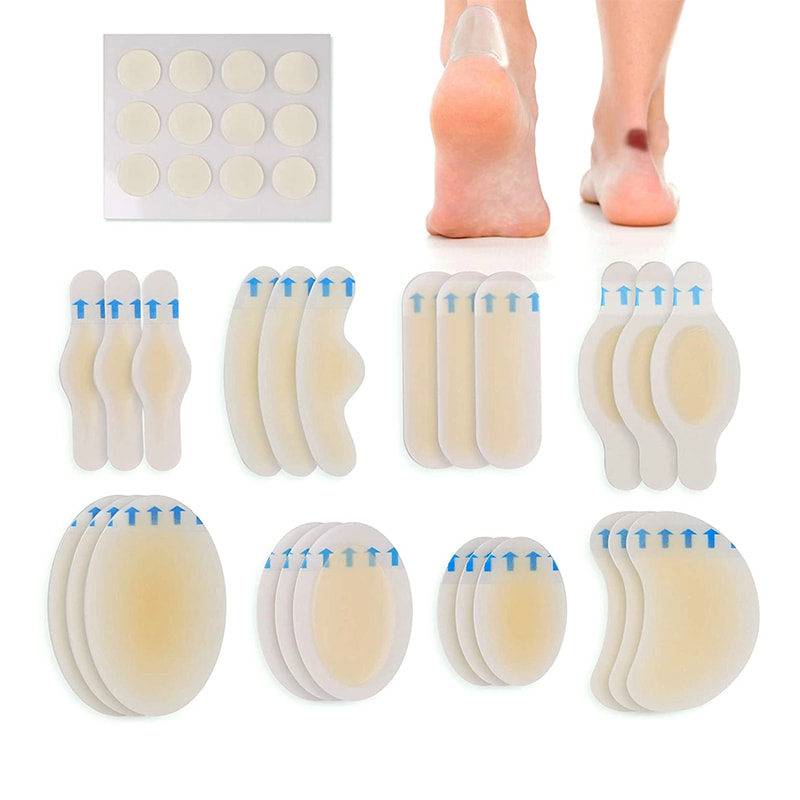
Step-by-Step Guide to Removing a Hydrocolloid Bandage
Removing a hydrocolloid bandage correctly takes only a few extra minutes but can make a significant difference in comfort and skin health. Rushing the process is the single most common reason people experience pain, redness, or minor skin tears during removal. Follow these steps for a smooth, pain-free removal process every time.
1. Soften the Adhesive First
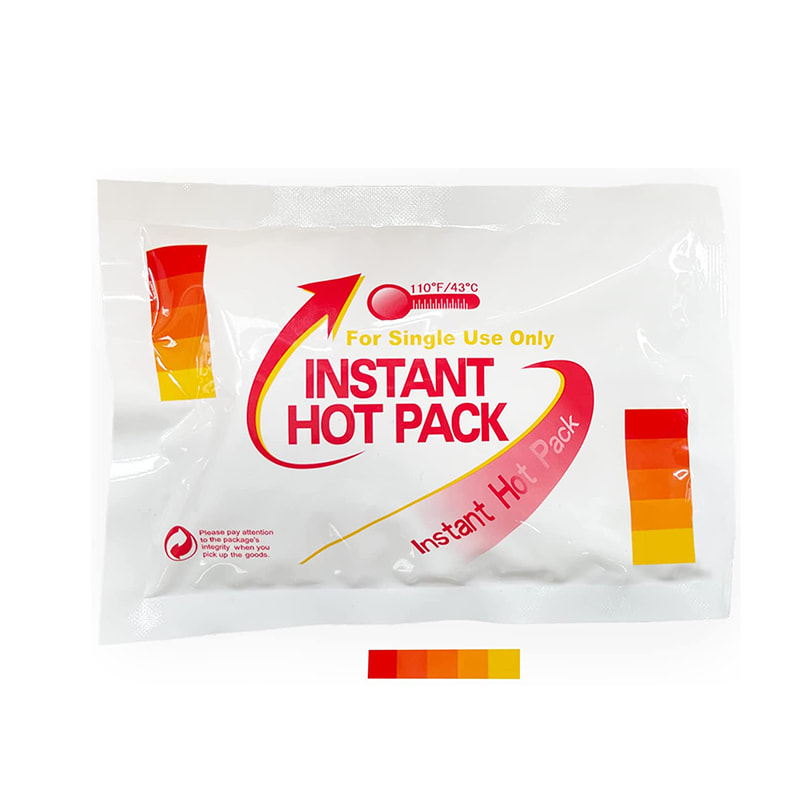
Warm water or a warm damp cloth applied to the edges of the bandage for a minute or two helps loosen the adhesive bond significantly. Warmth makes the gel-forming polymers more pliable, reducing the pulling force needed to lift the dressing away from the skin. A warm shower before removal is often enough to soften the adhesive naturally, and many people find this the easiest time to change their bandage.
2. Lift From the Edge, Not the Center
Start at one corner and gently peel back the edge rather than trying to grab the middle of the bandage. Avoid pulling straight up from the center, as this increases tension across the entire adhesive surface at once and can pull sharply on healing skin underneath. Working from a corner allows you to control the direction and speed of removal much more precisely.
3. Peel Low and Slow
Hold the skin taut with one hand while slowly peeling the bandage back at a low angle, almost parallel to the skin surface, rather than lifting it upward and away. This "low and slow" technique minimizes skin stress, reduces the risk of micro-tears, and is the same principle used by nurses when removing medical tapes and dressings from patients with fragile skin.
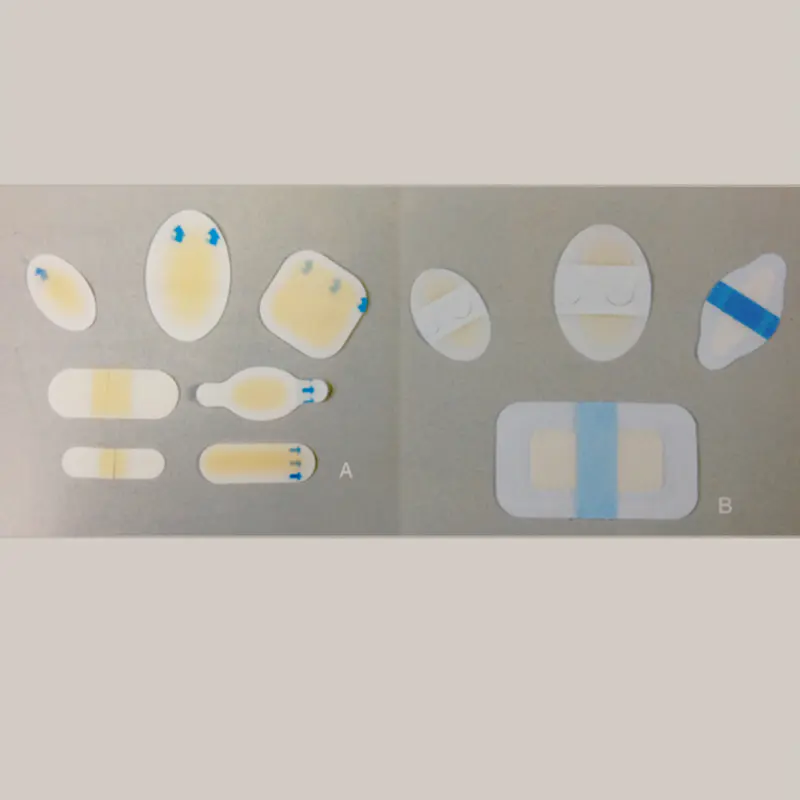
4. Use Oil or Adhesive Remover if Needed
For stubborn areas where the adhesive is particularly strong, a small amount of baby oil, olive oil, or a medical adhesive remover wipe can help break down the bond without irritating the surrounding skin. Apply the oil around the edges first, let it sit for thirty seconds, and then continue peeling slowly. This method is particularly helpful for larger bandages covering joints or curved body areas.
5. Clean the Area Gently
After removal, wash the area with mild soap and lukewarm water to remove any residual gel or adhesive, then pat the skin dry with a soft cloth rather than rubbing it. Any leftover sticky residue can usually be dissolved with a bit of extra oil or a gentle adhesive remover rather than being scraped off, which could irritate freshly exposed skin.
Common Mistakes When Removing Hydrocolloid Bandages
Many people unknowingly make small errors that lead to skin irritation, unnecessary pain, or delayed healing. Recognizing these mistakes ahead of time can help you avoid them entirely. The table below outlines frequent mistakes, why they cause problems, and how to correct them.
| Common Mistake |
Why It's a Problem |
Better Approach |
| Ripping it off quickly |
Causes pain and can damage new skin tissue |
Peel slowly at a low angle |
| Removing while completely dry |
Adhesive bond is strongest when dry |
Soften with warm water first |
| Pulling straight up |
Increases tension on skin |
Pull parallel to the skin surface |
| Ignoring skin sensitivity |
May cause redness or rash |
Use adhesive remover for sensitive skin |
| Removing too early or too late |
Disrupts the healing environment |
Follow the recommended wear-time signs |
| Scrubbing off leftover residue |
Can irritate freshly exposed skin |
Dissolve residue gently with oil |
When to Change or Remove Your Hydrocolloid Bandage
Knowing the right time to remove a hydrocolloid bandage is just as important as knowing how. These dressings are designed to stay in place for several days at a time, absorbing wound fluid gradually, but certain visual and physical signs indicate it's time for a change rather than leaving it on longer than intended.
- The bandage has turned white or opaque and appears to be "bubbling" from absorbed fluid underneath the surface.
- The edges have started to lift or curl away from the skin on their own.
- It has been in place for the manufacturer's recommended wear time, typically three to seven days depending on wound type.
- There is visible leakage of gel or fluid beyond the dressing border, which means the absorbent capacity has been exceeded.
- You notice increased redness, swelling, warmth, or odor, which may signal it's time for reassessment by a healthcare provider.
Removing the bandage too early, before the gel layer has had a chance to do its job, can interrupt the moist wound-healing process and slow recovery. On the other hand, leaving it on too long past saturation can allow leakage onto surrounding skin or clothing, and in some cases increase the risk of maceration around the wound edges.
Choosing Quality Matters: What Makes a Reliable Hydrocolloid Bandage Manufacturer
Not all hydrocolloid bandages are made equal, and manufacturing quality directly affects both healing performance and ease of removal. When evaluating hydrocolloid bandages manufacturers, buyers and healthcare providers should consider several key factors before committing to a supplier for bulk orders or long-term partnerships.
Consistent Adhesive Formulation
A well-formulated adhesive should stay secure during wear but release cleanly without excessive residue or pain during removal. Inconsistent adhesive quality between production batches is one of the most common complaints associated with lower-grade products, and it can lead to unpredictable wear times and customer dissatisfaction.
Certified Production Standards
Reputable manufacturers operate under recognized quality management systems and hold certifications relevant to medical device production, such as ISO 13485, ensuring consistent batch quality, sterile processing where required, and thorough biocompatibility testing on all materials used.
Breathability and Flexibility
High-quality hydrocolloid materials conform well to body contours, including joints and curved areas, while allowing appropriate moisture vapor transmission. This supports both comfort during wear and easier, less painful removal afterward, since a bandage that flexes naturally with movement places less strain on the adhesive bond.
Customization Capability
Manufacturers offering different sizes, thicknesses, and border styles allow distributors and healthcare providers to match the product precisely to specific wound care needs, from small acne patches to larger dressings used for pressure sores, diabetic ulcers, or post-surgical wound management.
Why Suzhou Sunmed Hydrocolloid Bandages Are Trusted by Buyers Worldwide
Suzhou Sunmed Hydrocolloid Bandages have built a strong reputation among wound care distributors and healthcare buyers for combining reliable adhesion with a gentle release profile that reduces discomfort during removal. Their production facilities focus on precision-coated adhesive layers that maintain strong wear performance throughout the recommended usage period while still allowing for a smoother, less painful removal experience compared to lower-quality alternatives on the market.
As one of the established hydrocolloid bandages manufacturers serving both domestic and international markets, Suzhou Sunmed emphasizes quality control at every stage of production, from raw material sourcing and adhesive coating to final packaging and sterilization where applicable. This attention to detail helps ensure that each bandage performs consistently, whether it is used for minor cuts and blisters or more advanced wound management applications in clinical settings.
For buyers sourcing hydrocolloid dressings at scale, working with an experienced manufacturer that understands both the clinical performance requirements and the practical, everyday removal experience is essential to long-term product satisfaction and repeat business. Companies that invest in research and development around adhesive chemistry tend to produce bandages that strike a better balance between staying power and comfortable removal, which is exactly the combination most end users are looking for.
Aftercare Tips Once the Bandage Is Removed
Proper aftercare following bandage removal helps protect the newly exposed skin, reduces the chance of irritation, and supports continued healing until the wound has fully closed.
- Gently cleanse the area with lukewarm water and a mild, fragrance-free cleanser to remove any remaining gel residue.
- Avoid scrubbing the skin, as it may be more sensitive immediately after the bandage is removed.
- Apply a fragrance-free moisturizer if the surrounding skin feels dry, tight, or slightly irritated from prolonged adhesive contact.
- Assess the wound to determine whether a new hydrocolloid bandage is needed or if the area is healed enough to be left uncovered.
- Watch for signs of infection such as increased redness, warmth, swelling, or discharge, and consult a healthcare professional if these occur.
- Give the skin some uncovered time between changes if possible, allowing it to breathe before applying a fresh dressing.
Frequently Asked Questions
Does removing a hydrocolloid bandage hurt?
It shouldn't, if removed correctly. Softening the adhesive with warmth and peeling slowly at a low angle significantly reduces discomfort, even for larger dressings or sensitive skin areas.
Can I reuse a hydrocolloid bandage after removing it?
No. Once removed, the adhesive and gel-forming layer have already absorbed wound exudate and lost their effectiveness, so a fresh bandage should always be applied if further coverage and protection are needed.
Is it normal to see a yellowish gel under the bandage?
Yes, this is the hydrocolloid gel that forms as the dressing absorbs moisture from the wound. It is a normal part of how these bandages function and not a sign of infection, though it does have a distinct odor that surprises some first-time users.
What should I do if the bandage leaves sticky residue on my skin?
A small amount of baby oil, coconut oil, or a dedicated adhesive remover applied with a cotton pad usually dissolves leftover residue quickly without irritating the skin. Avoid scrubbing, as this can cause more irritation than the residue itself.

 日本語
日本語 한국어
한국어 Tiếng Việt
 عربى
عربى Nederlands
 Bahasa Melayu
 Polskie
 Português
 ไทย
ไทย svenska
 עִברִית
 norsk
norsk Suomalainen
 Ελληνικά
 Română
 čeština
 Magyar
 Pilipino
 Український
 dansk
dansk pt-br
pt-br By Admin