What Buyers Should Know Before Sourcing from a Kinesiology Tape Factory
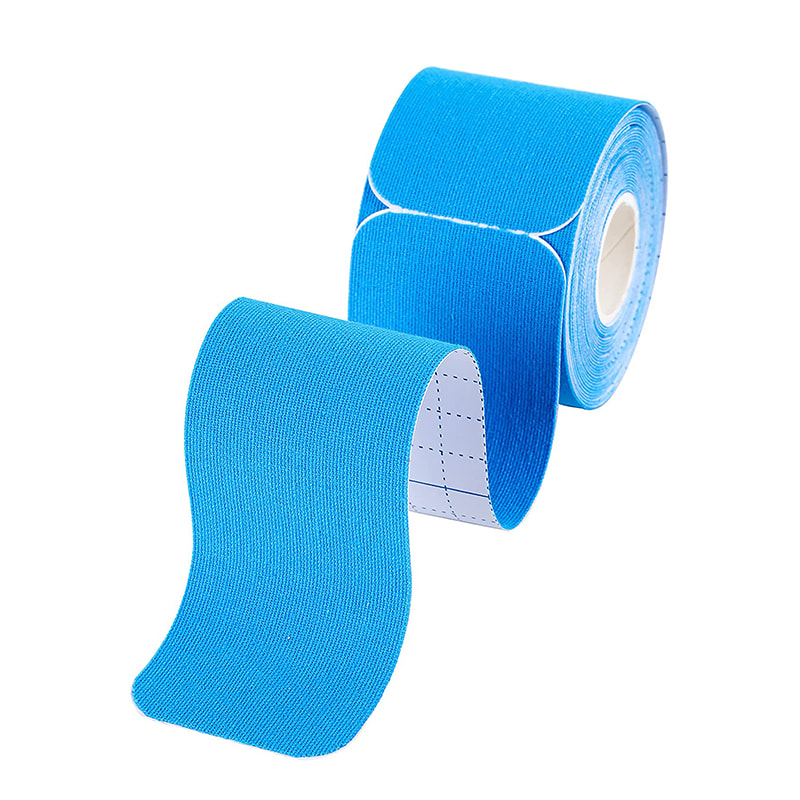
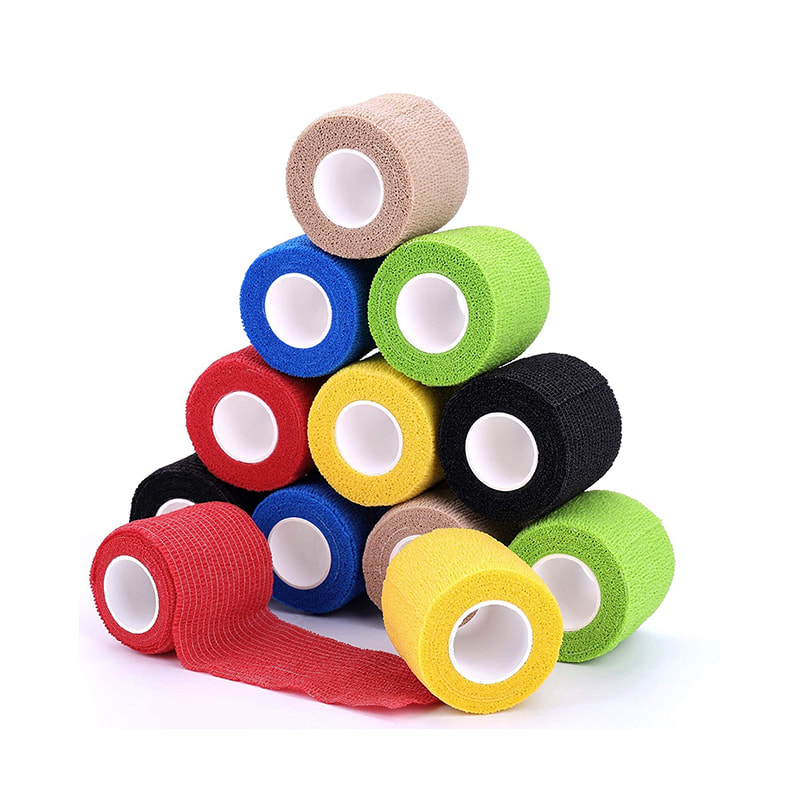
Kinesiology tape has become a staple product across sports medicine clinics, physical therapy practices, athletic training rooms, and even everyday fitness routines. As demand has grown, so has the number of manufacturers claiming to produce high-quality kinesiology tape at competitive prices. However, not every kinesiology tape factory operates with the same level of quality control, material sourcing, or production expertise, and the differences can significantly affect how the tape performs on skin during actual use.
For distributors, private label brands, and healthcare product buyers, choosing the right factory partner is one of the most important decisions in building a successful kinesiology tape product line. A tape that doesn't stretch correctly, loses adhesion too quickly, or irritates skin can damage a brand's reputation quickly, regardless of how well the marketing is done.
The Core Materials That Determine Tape Quality
Kinesiology tape may look simple from the outside, but its performance depends on several layered materials working together precisely. Understanding these components helps buyers ask the right questions when evaluating a potential factory partner.
Cotton or Synthetic Fabric Base
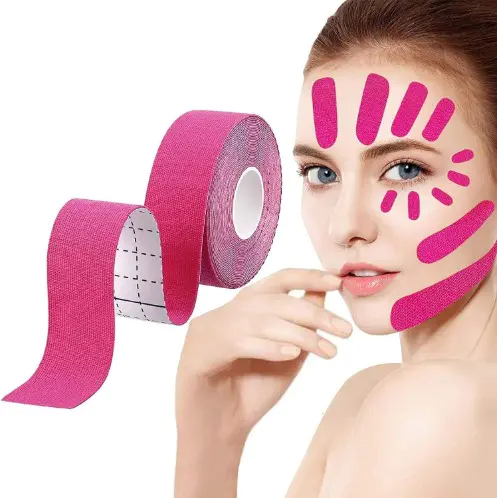
Most kinesiology tape uses a woven cotton fabric that provides breathability and mimics the elasticity of human skin, typically stretching between 130 to 140 percent of its original length. Some factories use synthetic blends for water resistance or added durability during intense activity, but the weave quality directly affects how well the tape moves with the body without bunching or peeling at the edges.
Acrylic Adhesive Layer
The adhesive is typically a heat-activated acrylic compound applied in a wave pattern rather than a solid layer. This wave pattern allows air circulation underneath the tape and supports the therapeutic lifting effect the tape is designed to create on the skin and underlying tissue. Poor-quality adhesive application leads to premature peeling, especially during sweating or water exposure.
Backing Paper and Print Consistency
The paper backing that protects the adhesive before application should peel away cleanly without leaving residue or damaging the adhesive wave pattern. Factories with strict quality control also maintain consistent printing across rolls, whether for measurement guides, branding, or color patterns, which matters for private label buyers who need visual consistency across batches.
Key Production Standards to Look for in a Manufacturer
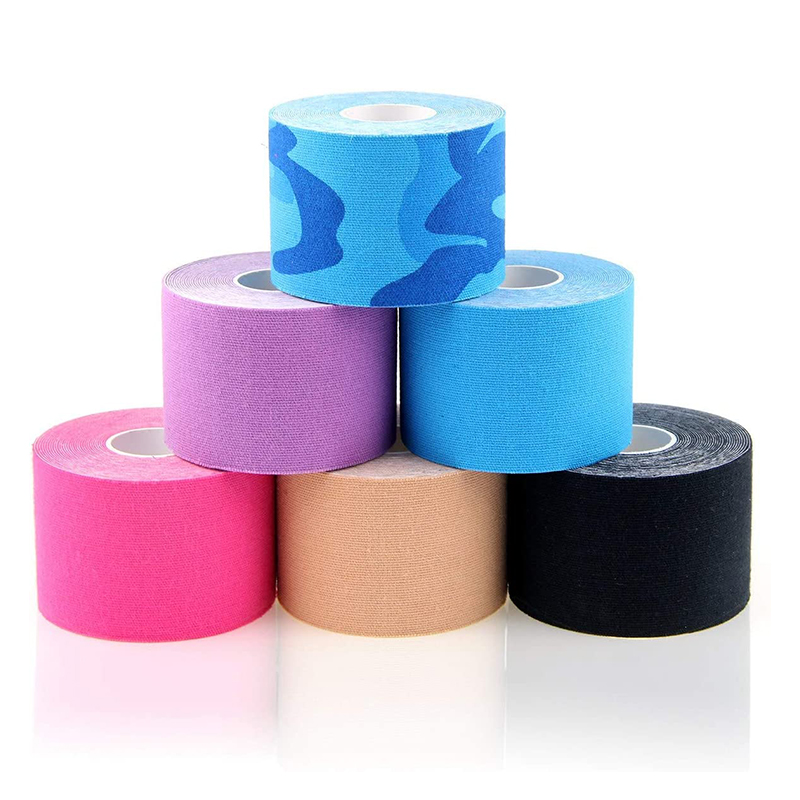
When evaluating a kinesiology tape factory, buyers should look beyond price alone and examine the production standards and certifications that indicate consistent, reliable manufacturing. The table below summarizes the most important criteria to review during supplier evaluation.
| Evaluation Criteria |
What to Verify |
| Quality Certifications |
ISO 13485, CE marking, FDA registration where applicable |
| Elasticity Consistency |
Stretch percentage matches product specifications batch to batch |
| Adhesive Testing |
Wear-time testing under sweat and water exposure conditions |
| Hypoallergenic Formulation |
Latex-free adhesive suitable for sensitive skin |
| Production Capacity |
Ability to scale orders without sacrificing quality |
| Customization Options |
Private label printing, packaging, color, and roll sizing |
How Kinesiology Tape Is Manufactured Step by Step
Understanding the general manufacturing process helps buyers appreciate why certain factories are able to produce more consistent, higher-performing tape than others.
Fabric Weaving and Preparation
The base cotton fabric is woven with a specific elasticity in both directions, though primarily engineered to stretch lengthwise. This fabric is then treated to improve moisture-wicking properties and prepared for adhesive coating.
Adhesive Coating and Curing
The acrylic adhesive is applied in a controlled wave pattern using specialized coating machinery, then cured under heat to activate its bonding properties. This step requires precise temperature and speed control, since inconsistent curing leads to adhesive that either fails to stick properly or leaves excessive residue on skin during removal.
Cutting, Printing, and Slitting
Once cured, large rolls of tape are slit into standard widths, most commonly two inches, and printed with branding, measurement lines, or decorative patterns depending on the buyer's specifications. Precision cutting machinery ensures clean edges that won't fray or lift prematurely during use.
Quality Inspection and Packaging
Reputable factories conduct multiple rounds of quality inspection, checking adhesive strength, stretch consistency, and visual defects before packaging. Tape is then rolled, labeled, and packaged according to the client's branding and distribution requirements, whether for retail shelves or bulk clinical supply.
Why Suzhou Sunmed Kinesiology Tape Stands Out in a Competitive Market
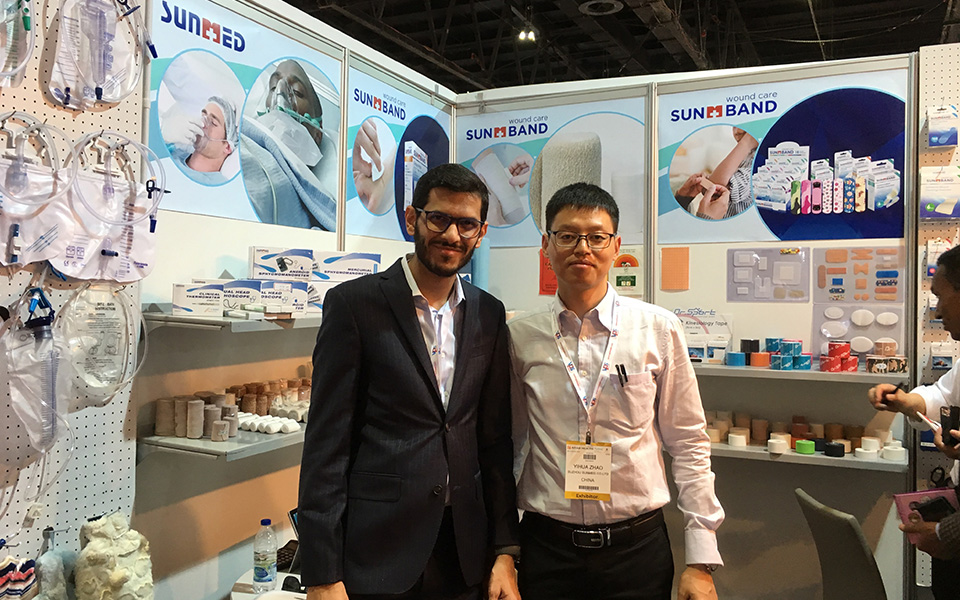
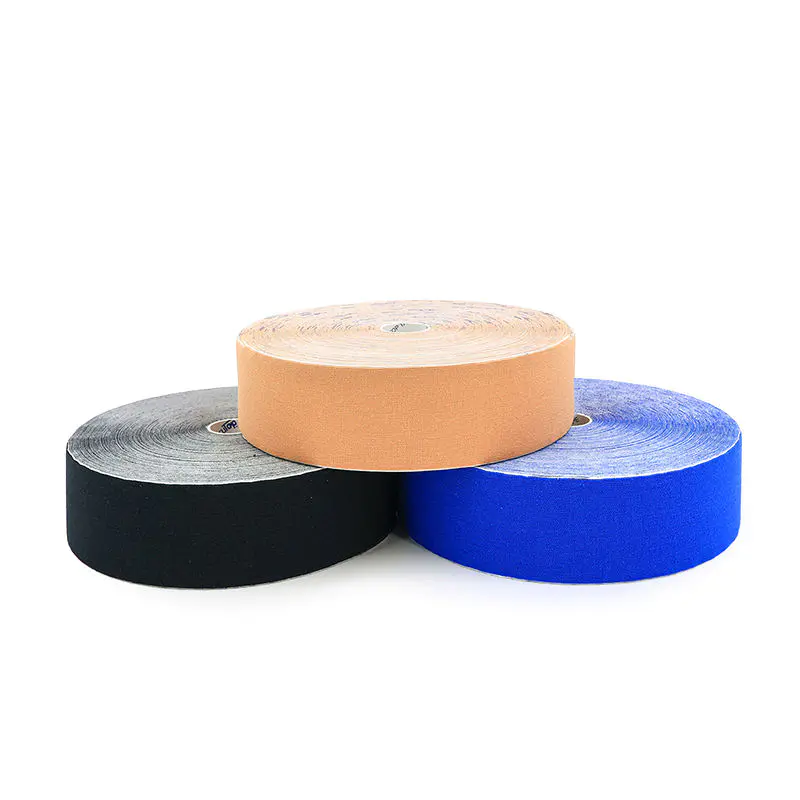
Suzhou Sunmed kinesiology tape has built a strong reputation among international distributors and private label buyers by focusing on the details that most directly affect end-user experience. Their production process emphasizes consistent adhesive wave patterning, which supports both the therapeutic lifting effect the tape is designed to provide and reliable wear time of three to five days under normal activity conditions.
As an established kinesiology tape factory, Suzhou Sunmed maintains strict quality control throughout its production line, from raw fabric sourcing to final packaging inspection. This attention to detail has made them a preferred partner for buyers who need dependable batch-to-batch consistency, particularly important for clinics and sports teams that rely on predictable tape performance during competition or rehabilitation programs.
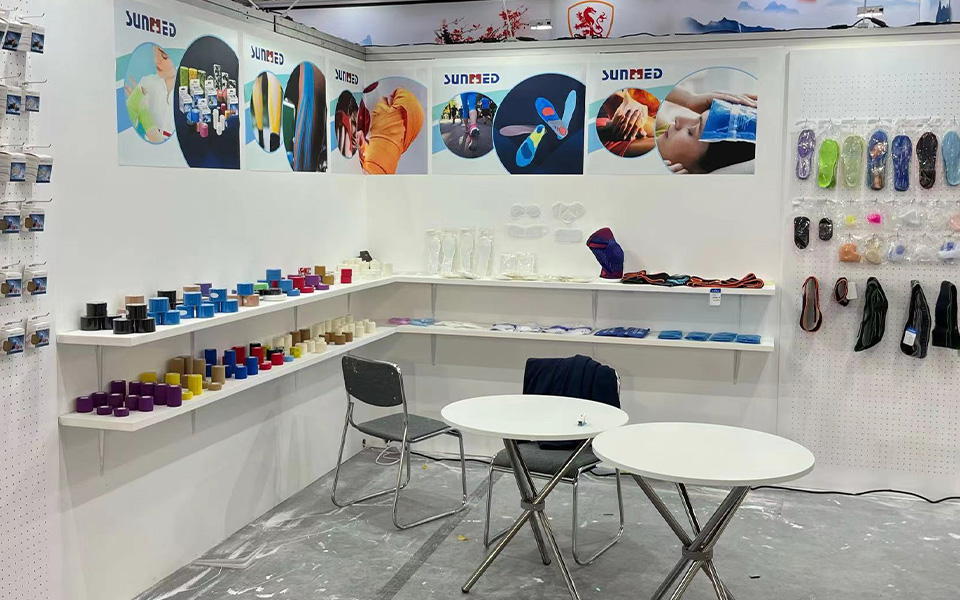
Beyond core product quality, Suzhou Sunmed also supports private label customization, allowing buyers to develop their own branded kinesiology tape lines with custom colors, printed patterns, and packaging designs. This flexibility has made the factory a popular choice for distributors looking to differentiate their products in a crowded athletic tape market without having to invest in their own manufacturing infrastructure.
Common Challenges Buyers Face When Sourcing Kinesiology Tape
Even experienced buyers can run into obstacles when sourcing kinesiology tape internationally. Knowing what to watch for ahead of time can prevent costly mistakes and delayed product launches.
- Inconsistent stretch percentage between production batches, which affects how the tape performs on different body areas.
- Adhesive that fails prematurely during sweating or water exposure, leading to customer complaints and returns.
- Lack of proper documentation for certifications, which can delay customs clearance or retail approval.
- Limited minimum order flexibility, making it difficult for smaller brands to test the market before committing to large volumes.
- Slow communication or unclear production timelines, which can disrupt inventory planning for seasonal sports demand.
Working with an experienced kinesiology tape factory that has a proven export track record can help buyers avoid these pitfalls, particularly when the manufacturer offers clear documentation, sample testing options, and transparent production timelines from the start of the relationship.
How to Properly Apply and Care for Kinesiology Tape
Even the highest quality tape needs to be applied correctly to perform as intended. Buyers building educational content or instructions for their customers should include the following guidance to maximize product satisfaction.
Preparing the Skin
Skin should be clean, dry, and free of lotions or oils before application. Excess body hair can also reduce adhesion, so trimming the area beforehand is often recommended for longer wear time.
Applying with the Right Tension
Most kinesiology tape techniques require applying the tape with little to no stretch at the anchor ends, while the middle section may be stretched depending on the intended therapeutic effect. Applying too much tension throughout the strip can cause skin irritation or reduce the tape's effectiveness.
Activating the Adhesive
After application, rubbing the tape firmly generates heat that activates the acrylic adhesive fully, improving bond strength and overall wear time. Skipping this step is a common reason tape edges lift earlier than expected.
Frequently Asked Questions
How long does kinesiology tape typically last once applied?
Most high-quality kinesiology tape lasts between three and five days with normal activity, including light sweating and showering, though this can vary based on skin type and application technique.
What minimum order quantity should buyers expect from a kinesiology tape factory?
Minimum order quantities vary widely between manufacturers, but many factories offer flexible tiers that allow smaller brands to start with trial orders before scaling up to larger production runs.
Is latex-free kinesiology tape necessary for all buyers?
While not every end user has a latex sensitivity, offering a latex-free, hypoallergenic formulation is considered a standard expectation in the industry today and helps reduce the risk of allergic reactions among a broader customer base.

 日本語
日本語 한국어
한국어 Tiếng Việt
 عربى
عربى Nederlands
 Bahasa Melayu
 Polskie
 Português
 ไทย
ไทย svenska
 עִברִית
 norsk
norsk Suomalainen
 Ελληνικά
 Română
 čeština
 Magyar
 Pilipino
 Український
 dansk
dansk pt-br
pt-br By Admin