Noise-induced hearing loss is one of the most prevalent and entirely preventable occupational health conditions in the world. The World Health Organization estimates that over one billion people are at risk of hearing damage from recreational and occupational noise exposure. Yet despite widespread awareness and a market full of sophisticated hearing protection technologies — electronic earmuffs, custom-molded plugs, noise-cancelling devices — the disposable foam earplug remains the dominant hearing protection product globally. It outsells every alternative by volume, appears in virtually every industrial safety kit, and is the go-to recommendation in environments ranging from construction sites to concert venues to aircraft cabins.
The persistence of the disposable foam earplug at the top of the market is not a matter of inertia or cost-cutting alone. It reflects genuine functional advantages that more complex alternatives have not displaced. Manufacturers like Suzhou Sunmed Disposable Foam Earplugs have developed these products into finely engineered hearing protection solutions — optimizing foam density, taper geometry, expansion rate, and surface finish to deliver consistent attenuation performance across the full population of users. This article examines what makes disposable foam earplugs effective, where they excel, where they have limitations, and what distinguishes a high-quality product from a commodity plug.
How Disposable Foam Earplugs Work: The Physics of Attenuation
Understanding why foam earplugs perform the way they do starts with understanding how they interact with sound. Sound travels as pressure waves through air. When those waves reach the ear canal, they cause the eardrum to vibrate — and sustained exposure to high-amplitude vibrations causes cumulative damage to the hair cells of the inner ear that cannot be repaired.
A foam earplug works by physically occluding the ear canal and absorbing acoustic energy before it reaches the eardrum. The key mechanism is the combination of acoustic mass and damping. The compressed foam, once inserted and allowed to expand, conforms to the individual geometry of the ear canal and creates a seal that blocks airborne sound transmission. The cellular structure of the foam then absorbs a portion of the sound energy that does pass through, converting it to negligible amounts of heat through internal friction within the foam matrix.
The effectiveness of this process is expressed as the Noise Reduction Rating (NRR) in the United States and the SNR (Single Number Rating) in Europe. Most high-quality disposable foam earplugs achieve NRR values between 29 and 33 decibels — among the highest attenuation ratings available for any hearing protection device. This means that in environments where noise levels reach 100 dB (a common exposure level in manufacturing, construction, and heavy industry), a properly inserted foam earplug can bring effective exposure down to the range of 70–75 dB, well within safe limits for sustained daily exposure.
The critical qualifier in that statement is “properly inserted.” Foam earplugs require correct insertion technique to achieve their rated attenuation. A plug that sits loosely at the entrance of the ear canal rather than being rolled, inserted deeply, and allowed to expand fully can perform at a fraction of its rated NRR. This is one of the most important — and most frequently overlooked — aspects of earplug effectiveness.
The Correct Insertion Technique: Why It Determines Everything
The single most common reason foam earplugs fail to protect the user adequately is incorrect insertion. Studies consistently show that real-world attenuation achieved by untrained users is significantly below laboratory NRR values, with some research suggesting average real-world performance as low as 50 percent of the rated value in populations without explicit training.
The correct technique for a roll-down foam earplug follows a specific sequence. First, the plug is compressed by rolling it between the fingers into the thinnest possible cylinder — the tighter the roll, the easier the insertion and the more complete the seal. Second, the user reaches over their head with the opposite hand to pull the top of the ear upward and outward, which straightens the ear canal and creates a clear insertion path. Third, the compressed plug is inserted quickly and held in place for 20 to 30 seconds while the foam expands. The plug should feel snug but not painful, and the sensation of reduced ambient sound should be immediate and noticeable.
A correctly inserted foam earplug sits with only a small portion visible at the canal entrance. If a large portion of the plug is protruding, it has not been inserted deeply enough and the seal is incomplete. Training workers in this technique — rather than simply providing the plugs — is one of the highest-leverage interventions in occupational hearing conservation programs.
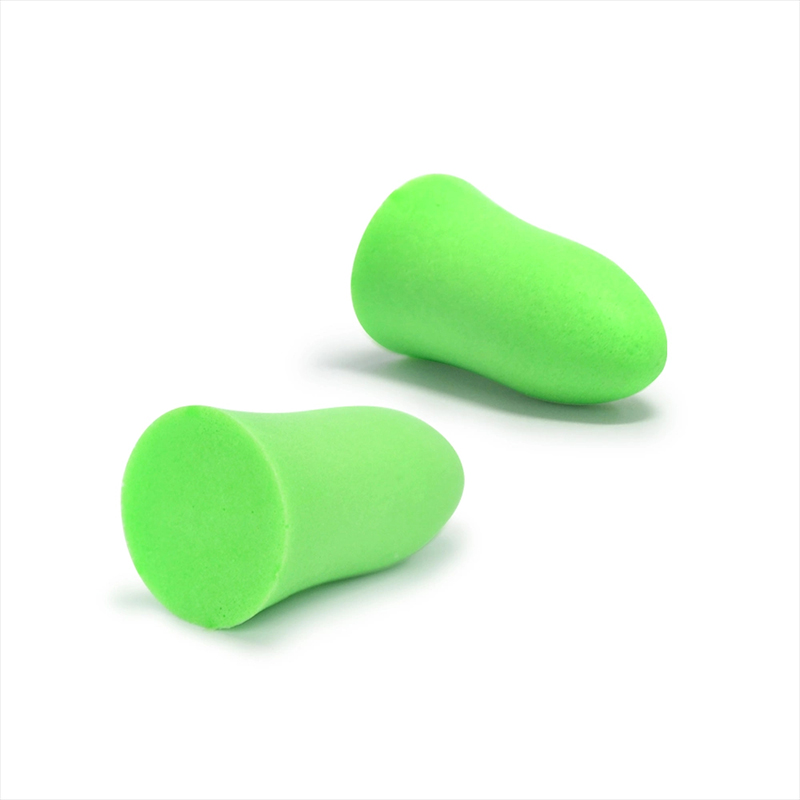
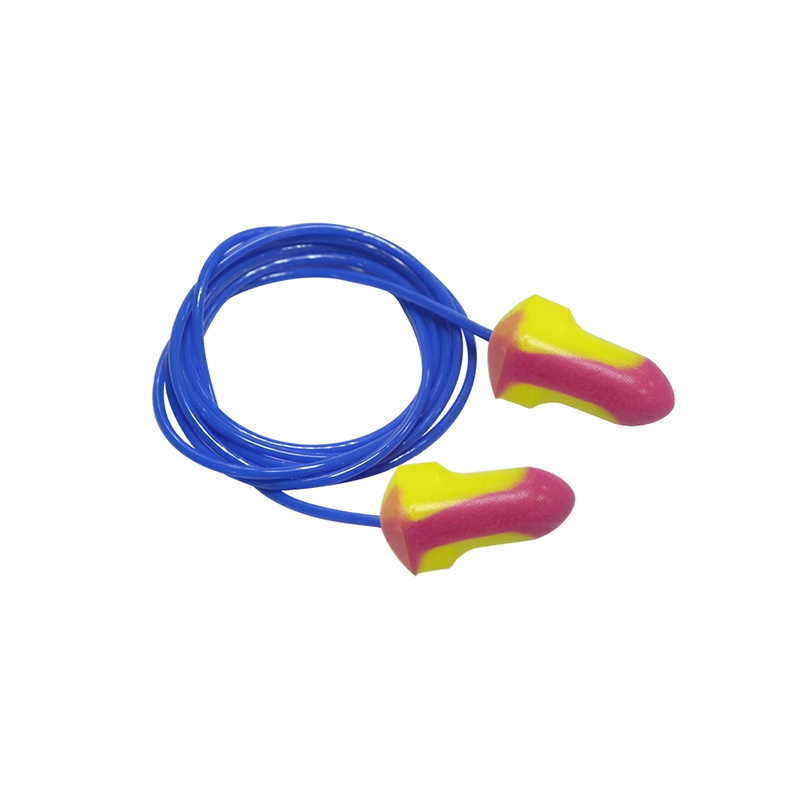
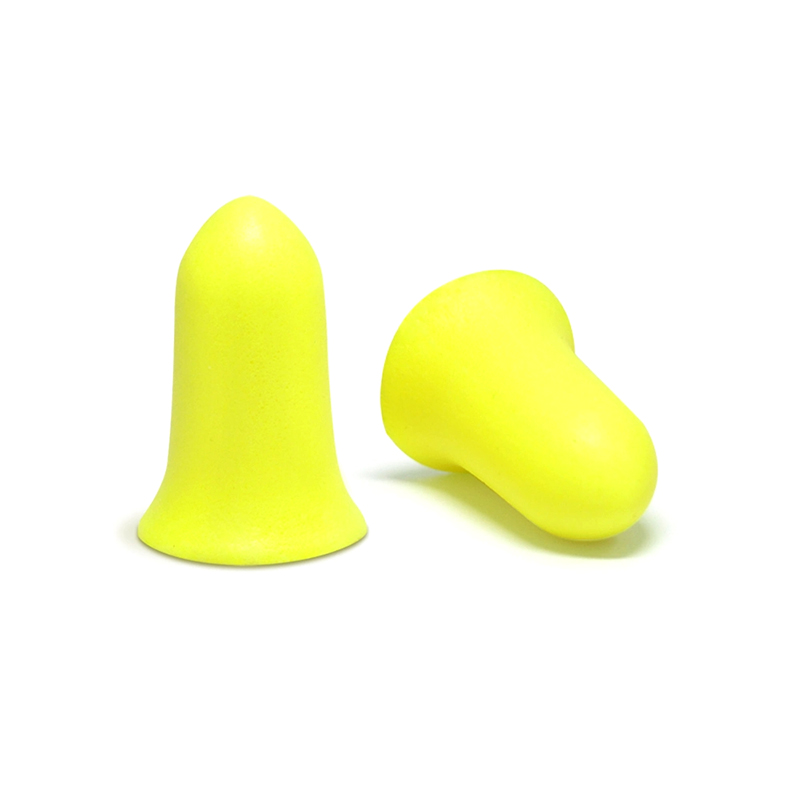
Suzhou Sunmed Disposable Foam Earplugs are designed to support correct insertion through their physical properties. The foam formulation is chosen for a slow, controlled expansion rate that gives the user adequate time to position the plug before it begins to fill the canal. The taper geometry — narrower at the insertion end, wider at the base — guides the plug to the correct depth naturally and helps maintain a stable seal once expanded.
Where Disposable Foam Earplugs Deliver the Most Value
Despite the existence of alternatives, disposable foam earplugs remain the optimal choice in a well-defined set of circumstances. Understanding these contexts helps safety managers, procurement teams, and individual users make better-informed decisions.
High-noise industrial environments are the primary application. Facilities operating heavy machinery, metalworking equipment, pneumatic tools, or grinding systems routinely expose workers to noise levels of 95–110 dB. In these environments, the high NRR of foam plugs, their compatibility with other PPE (hard hats, face shields, and safety glasses do not interfere with foam earplug use the way they can with earmuffs), and their low per-unit cost make them the practical choice for large workforces.
Single-use hygiene requirements make disposable foam earplugs irreplaceable in environments where shared hearing protection is impractical. Medical facilities, food processing plants, cleanrooms, and any setting with strict hygiene protocols rely on disposable plugs precisely because they eliminate the contamination risk of reusable devices.
Travel and sleep applications represent a significant and growing consumer segment. Airline passengers, train commuters, light sleepers, and hotel guests in urban environments use disposable foam earplugs for noise reduction in variable environments. Their compact form factor, negligible weight, and individually wrapped packaging make them the most practical option for travel use. For sleep specifically, the soft, low-pressure expansion of quality foam earplugs makes extended wear comfortable in a way that firmer reusable alternatives are not.
Concerts and live events expose attendees to noise levels that routinely exceed 100 dB — levels that cause measurable hearing damage within minutes of unprotected exposure. Disposable foam earplugs provide effective protection at a price point that makes them feasible to distribute at venue entry points, which several progressive live music venues now do as standard practice.
Comparing Disposable Foam Earplugs to Alternative Hearing Protection
| Feature | Disposable Foam Earplugs | Reusable Silicone/Flanged Plugs | Earmuffs | Custom-Molded Plugs |
| NRR / Attenuation | 29–33 dB (high) | 22–27 dB (moderate) | 22–30 dB (moderate-high) | 25–35 dB (variable) |
| Cost per use | Very low | Low (amortized) | Low (amortized) | High (initial investment) |
| Hygiene | Excellent (single use) | Requires cleaning | Requires cleaning | Requires cleaning |
| PPE compatibility | Excellent | Good | Poor with glasses/hard hats | Good |
| Comfort for extended wear | High (soft expansion) | Moderate | Can cause heat/pressure | High (personalized fit) |
| Correct use dependency | High | Moderate | Low | Low |
| Best application | Industrial, travel, sleep, events | Moderate-noise workplaces | Intermittent-noise environments | High-noise, frequent users |
This comparison illustrates that disposable foam earplugs are not universally superior — they require proper insertion technique and are not appropriate for environments where users need to hear warning signals or spoken communication clearly. But in their target applications, no alternative matches their combination of attenuation performance, hygiene, cost, and PPE compatibility.
What Separates a Quality Foam Earplug from a Generic One
The commodity appearance of disposable foam earplugs obscures meaningful variation in product quality between manufacturers. Several technical parameters determine how a foam earplug performs in practice, and these are directly controlled by manufacturing choices.
Foam density and cell structure. The density of the polyurethane or PVC foam determines how the plug feels during insertion and how completely it fills and seals the ear canal. Too dense, and the plug is uncomfortable and may not conform adequately to non-standard canal geometries. Too soft, and it lacks the structural resilience to maintain a seal during jaw movement, talking, and head movement. Suzhou Sunmed Disposable Foam Earplugs are manufactured to precise density specifications that optimize the balance between comfort, conformability, and seal integrity.
Expansion rate. The time it takes for a rolled plug to fully expand determines how much margin the user has to position it correctly. A plug that expands too quickly does not allow adequate insertion time and is more likely to be used incorrectly. A controlled expansion rate of 60 seconds or more is the standard in well-engineered products.
Surface finish. The outer surface of the foam should be smooth and clean — free from flash, manufacturing debris, or surface irregularities that increase friction during insertion or cause skin irritation during extended wear. Consistent surface quality across production batches is a marker of manufacturing process control.
Dimensional consistency. Variation in plug dimensions across production batches affects both attenuation consistency and user comfort. Tight dimensional tolerances — enforced through rigorous quality control at the manufacturing level — ensure that every plug in a bulk order performs equivalently to every other.
Procurement and Deployment Considerations for Occupational Use
For safety managers and procurement professionals sourcing disposable foam earplugs for industrial or institutional deployment, several practical factors beyond unit performance matter.
Packaging format affects usability. Individually wrapped plugs in dispenser boxes are standard for workplace distribution points and vending systems. Bulk-packed plugs without individual wrappers are appropriate for distribution from centralized storage where hygiene conditions are controlled. Suzhou Sunmed Disposable Foam Earplugs are available in both formats, allowing procurement to align packaging with the specific distribution model of each facility.
Regulatory compliance documentation is non-negotiable. Earplugs used in occupational hearing conservation programs must meet the testing and certification requirements of the applicable jurisdiction — ANSI S3.19 and EPA labeling requirements in the United States, EN 352-2 in the European Union, and equivalent standards in other markets. Reputable manufacturers provide full compliance documentation, including third-party attenuation test results, with each product line.
Training materials and hearing conservation program support are increasingly offered by specialized manufacturers as part of their value proposition to occupational health customers. An earplug that is properly inserted by a trained workforce delivers substantially better hearing protection outcomes than an equivalent product distributed without training support — a point that forward-looking manufacturers like Suzhou Sunmed build into their customer engagement approach.
The Case for Taking Disposable Foam Earplugs Seriously
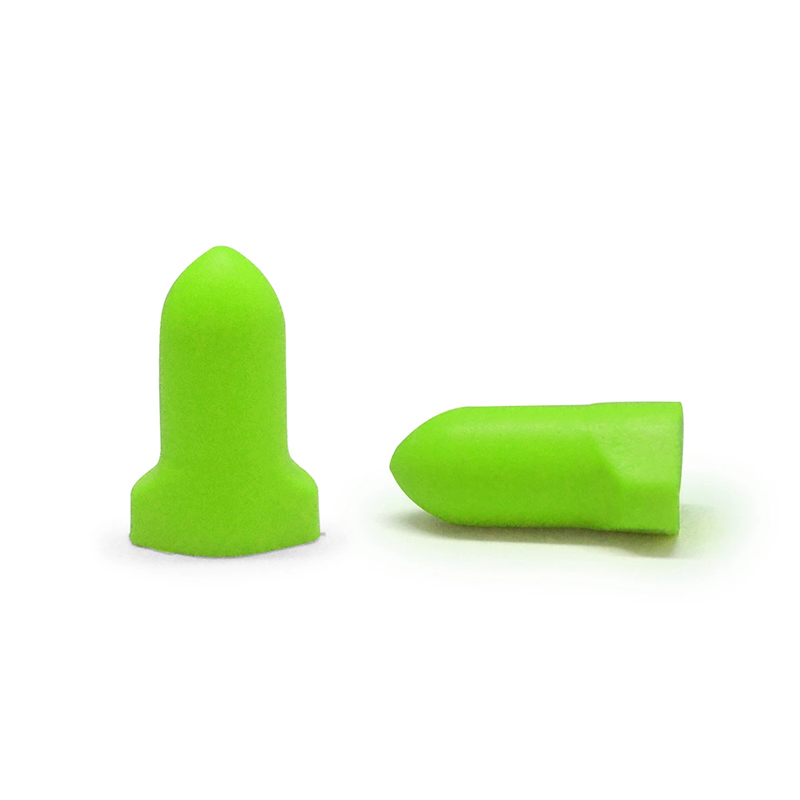
The disposable foam earplug is, in many respects, the most deceptively simple product in the personal protective equipment market. Its familiar cylindrical form conceals a product category where manufacturing precision, materials science, and ergonomic design make the difference between effective hearing protection and a false sense of security. When the foam density is right, the expansion rate is controlled, the geometry is anatomically correct, and the user inserts the plug correctly, a disposable foam earplug is one of the most effective noise attenuation devices available at any price point. That is not a claim about convenience or cost — it is a statement about engineering.

 日本語
日本語 한국어
한국어 Tiếng Việt
 عربى
عربى Nederlands
 Bahasa Melayu
 Polskie
 Português
 ไทย
ไทย svenska
 עִברִית
 norsk
norsk Suomalainen
 Ελληνικά
 Română
 čeština
 Magyar
 Pilipino
 Український
 dansk
dansk pt-br
pt-br By Admin