What Makes a First Aid Kit Truly Effective for Everyday Emergencies
A well-stocked first aid kit serves as the first line of response when injuries or medical emergencies occur, whether at home, in the workplace, during travel, or in outdoor recreational settings. The effectiveness of a kit depends not just on the number of items it contains, but on how thoughtfully those items are selected, organized, and maintained over time. A kit filled with expired supplies or missing essential components can leave users unprepared during the exact moment they need reliable support most.
For wholesale buyers, retailers, and distributors, understanding what separates a genuinely useful first aid kit from a poorly assembled one is essential to building a product line that customers can trust. This involves evaluating the quality of individual components, the durability of the kit's container, and the overall organization of supplies to ensure quick access during stressful situations. This article examines the core elements of an effective first aid kit and what buyers should look for when sourcing kits at scale.
Essential Components Every First Aid Kit Should Include
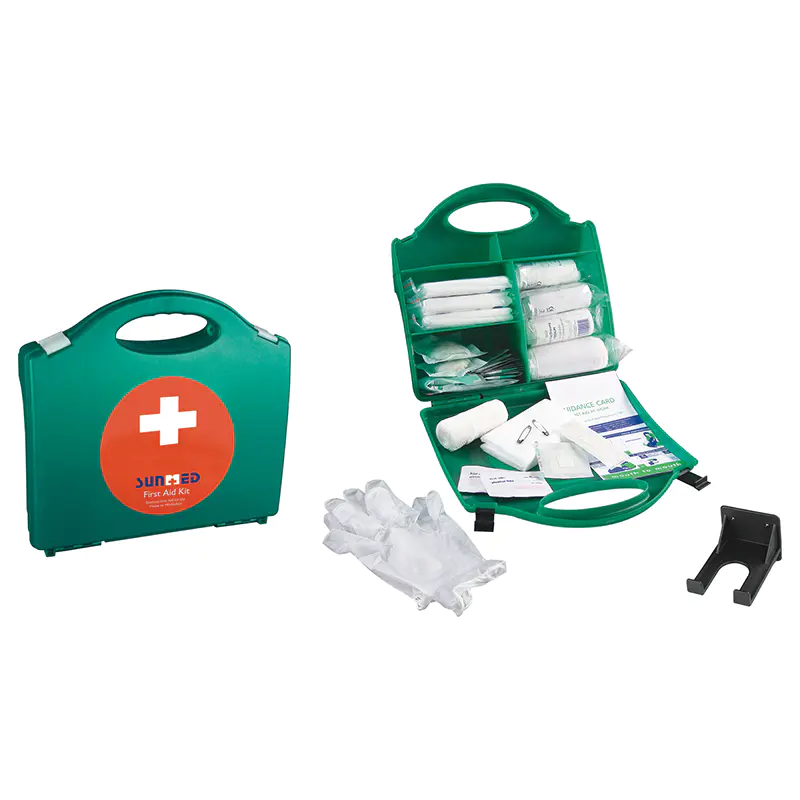
While first aid kit contents can vary depending on intended use, whether for home, workplace, travel, or outdoor activities, certain core components remain essential across nearly every configuration. Buyers assembling or sourcing kits should ensure these fundamental categories are well represented.
Wound Care Supplies
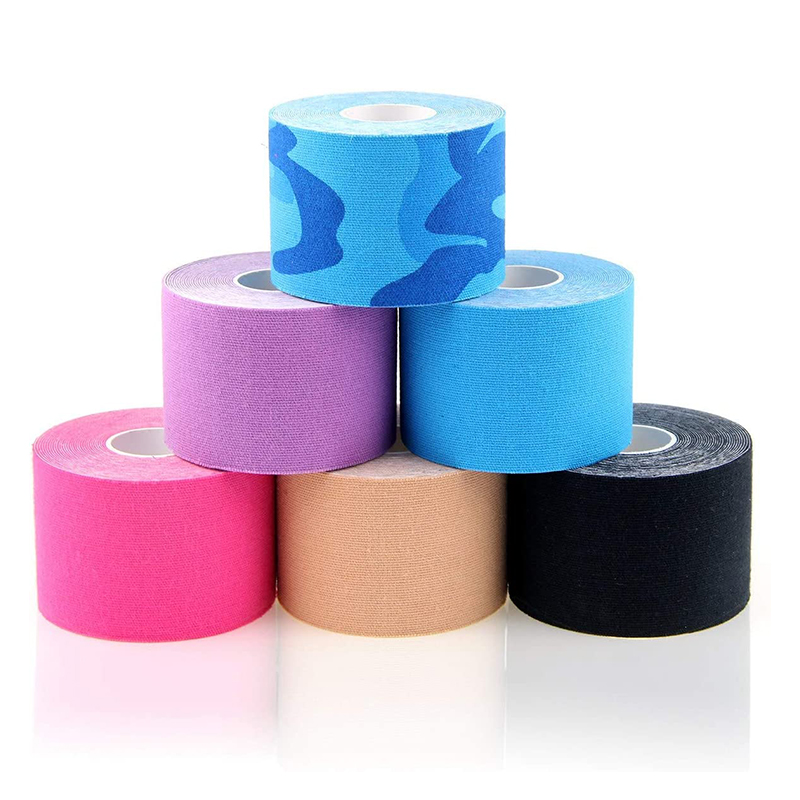
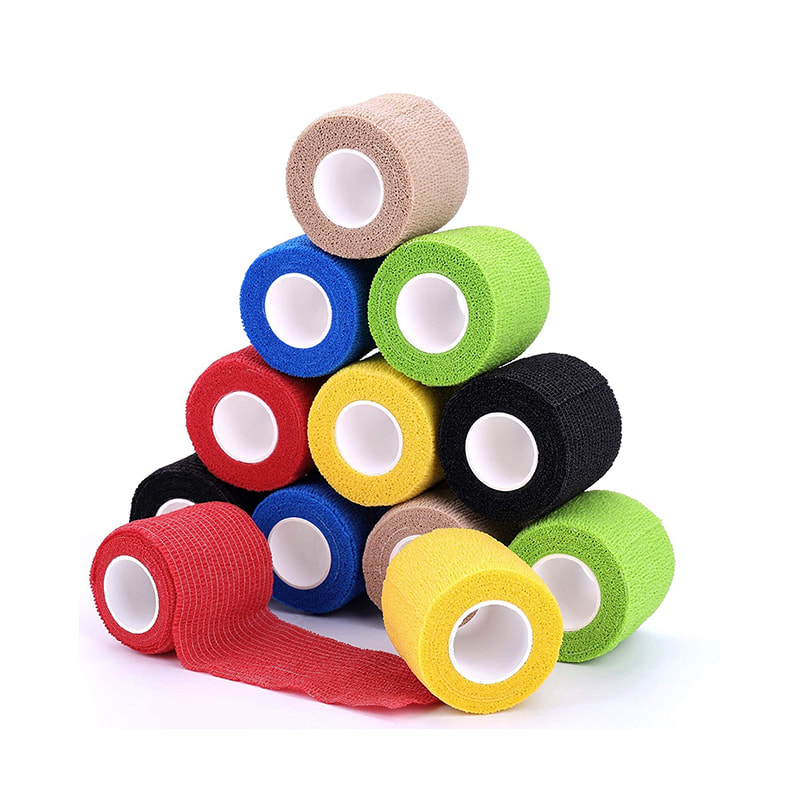
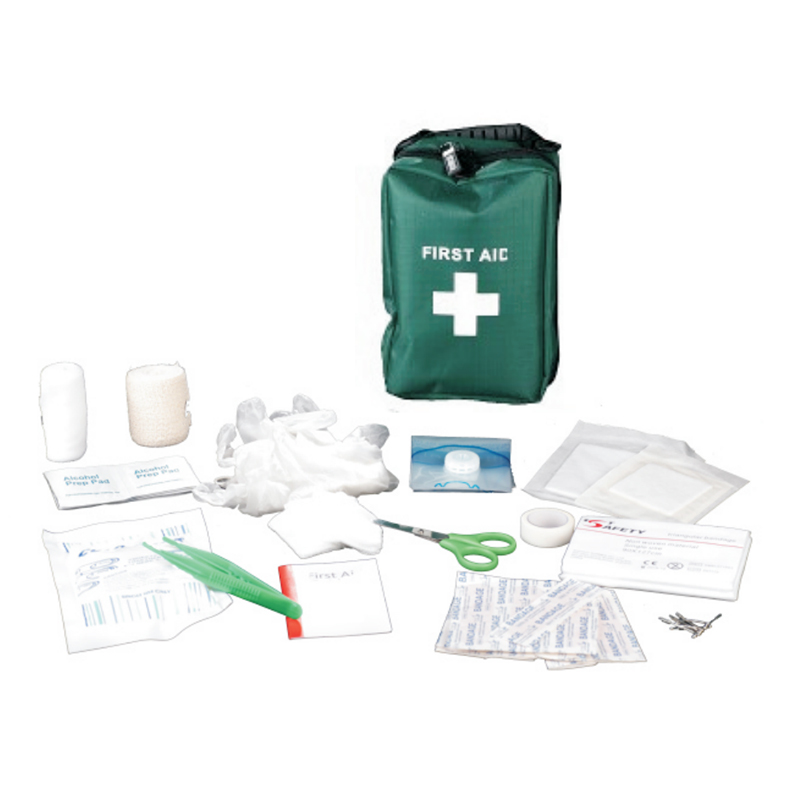
Adhesive bandages in multiple sizes, sterile gauze pads, medical tape, and antiseptic wipes form the foundation of wound care within any first aid kit. These supplies address the most common injuries people encounter, including cuts, scrapes, and minor abrasions. A quality kit should include enough variety in bandage sizes to handle both small nicks and larger wounds, along with sufficient gauze to manage more significant bleeding until further medical attention can be sought.
Tools and Instruments
Basic tools such as scissors, tweezers, and disposable gloves significantly improve a first aid kit's practical usability during emergency situations. Tweezers are particularly important for removing splinters or debris from wounds, while scissors allow for quick cutting of tape, gauze, or clothing when necessary. Disposable gloves protect both the responder and the injured person from cross-contamination, which is an often overlooked but important safety consideration.
Medications and Topical Treatments
Many first aid kits include basic over-the-counter medications such as pain relievers, antihistamines, and topical treatments like burn gel or hydrocortisone cream. While the specific medication selection may vary based on regional regulations and target market, including these items significantly increases a kit's practical value for managing common minor ailments without requiring an immediate trip to a pharmacy.
Matching Kit Contents to Specific Use Cases
Different environments and activities call for different first aid kit configurations. A kit designed for a corporate office will look quite different from one intended for wilderness hiking or long-distance travel. Understanding these distinctions helps buyers develop targeted product lines that meet the specific needs of different customer segments.
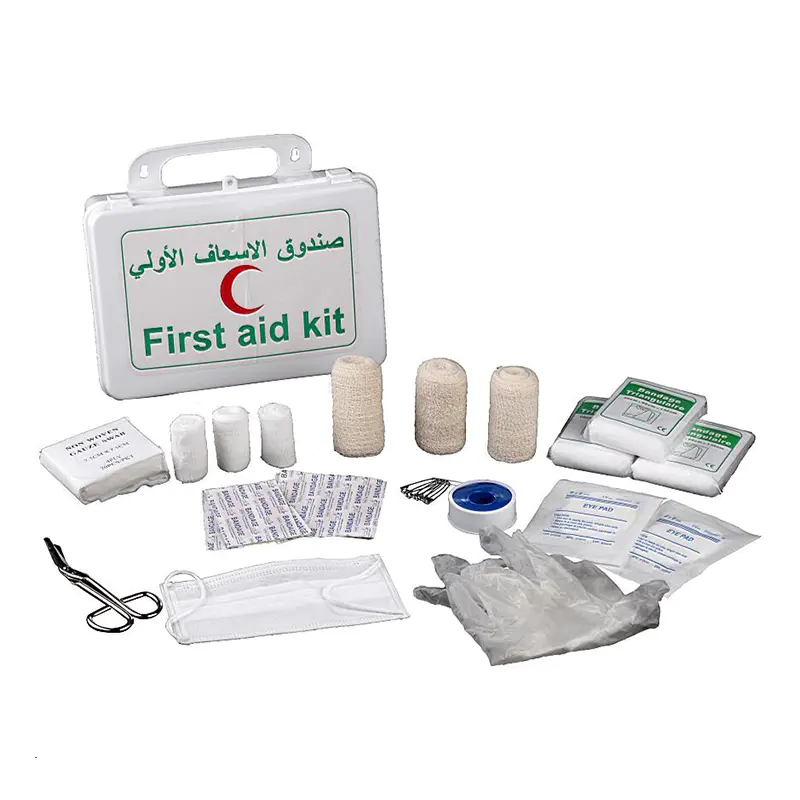
- Home kits prioritizing broad coverage for everyday household injuries
- Workplace kits meeting occupational safety compliance requirements
- Travel kits emphasizing compact size and portability
- Outdoor and wilderness kits including items for insect bites, blisters, and sprains
- Vehicle kits designed to withstand temperature fluctuations during storage
Buyers who segment their first aid kit offerings according to these use cases are often better positioned to meet the specific expectations of different retail and distribution channels, rather than relying on a single generic kit design across all customer segments.
Container Design and Organization Considerations
The physical container housing first aid supplies plays a larger role in overall kit effectiveness than many buyers initially recognize. A well-designed container protects contents from moisture, dust, and physical damage while also making it easy for users to quickly locate needed items during stressful situations.
| Container Type |
Best Suited For |
Key Advantage |
| Hard-Shell Case |
Workplace, vehicle storage |
Impact and crush resistance |
| Soft Fabric Pouch |
Travel, hiking, backpacking |
Lightweight and compact |
| Wall-Mounted Cabinet |
Offices, schools, factories |
Fixed, easily identifiable location |
Beyond container type, internal organization also matters significantly. Kits with clearly labeled compartments or sectioned inserts allow users to locate specific items quickly, which can make a meaningful difference during time-sensitive emergency situations.
What Wholesale Buyers Should Evaluate Before Sourcing Kits
Sourcing first aid kits at wholesale volume requires more careful evaluation than assembling a single kit for personal use, since inconsistencies across a large order can lead to significant customer dissatisfaction and potential compliance issues. Several factors deserve particular attention during the supplier evaluation process.
Component Quality and Shelf Life
Buyers should confirm that individual components within a kit, such as gauze, antiseptic wipes, and any included medications, meet appropriate quality and shelf-life standards. Requesting documentation on expiration dating and storage recommendations helps ensure that kits remain effective and safe for the duration of their expected retail or distribution lifecycle.
Regulatory Compliance for Target Markets
Different regions often have distinct regulatory requirements regarding first aid kit contents, particularly for workplace safety compliance or medical device classifications. Buyers distributing kits across multiple international markets should confirm that their manufacturing partner understands these varying requirements and can adjust kit contents accordingly to maintain compliance in each target region.
Working With an Experienced First Aid Kit Manufacturing Partner
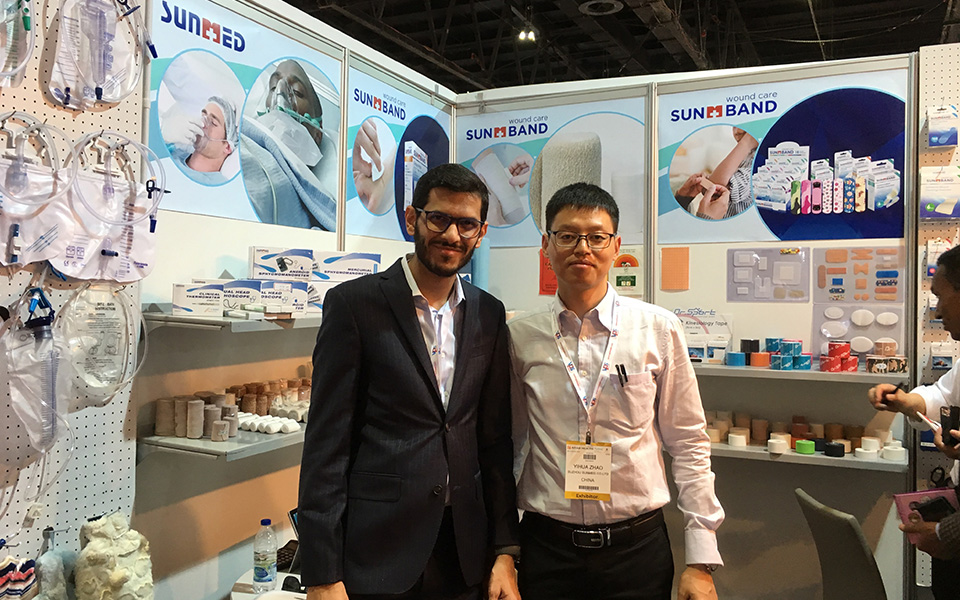
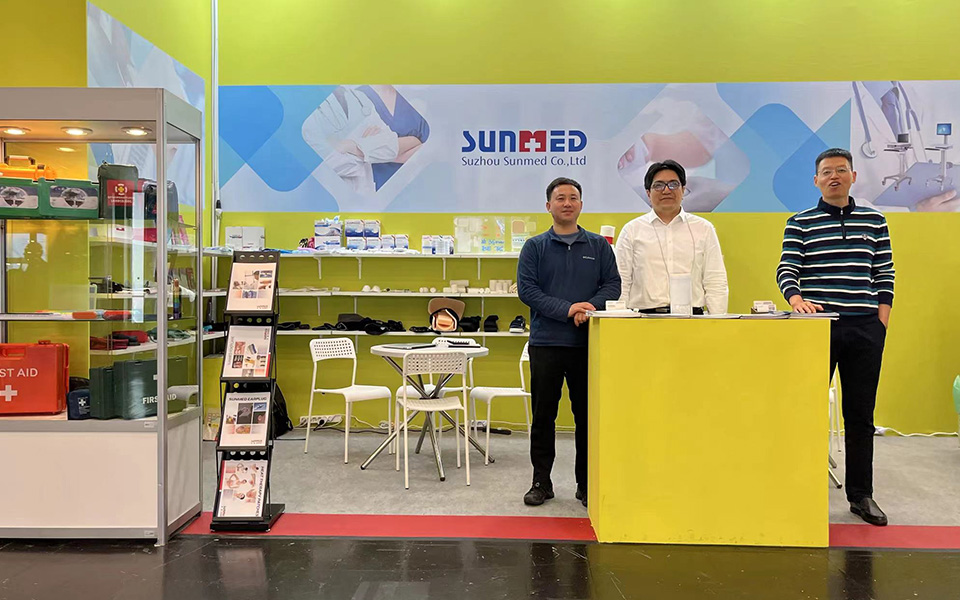
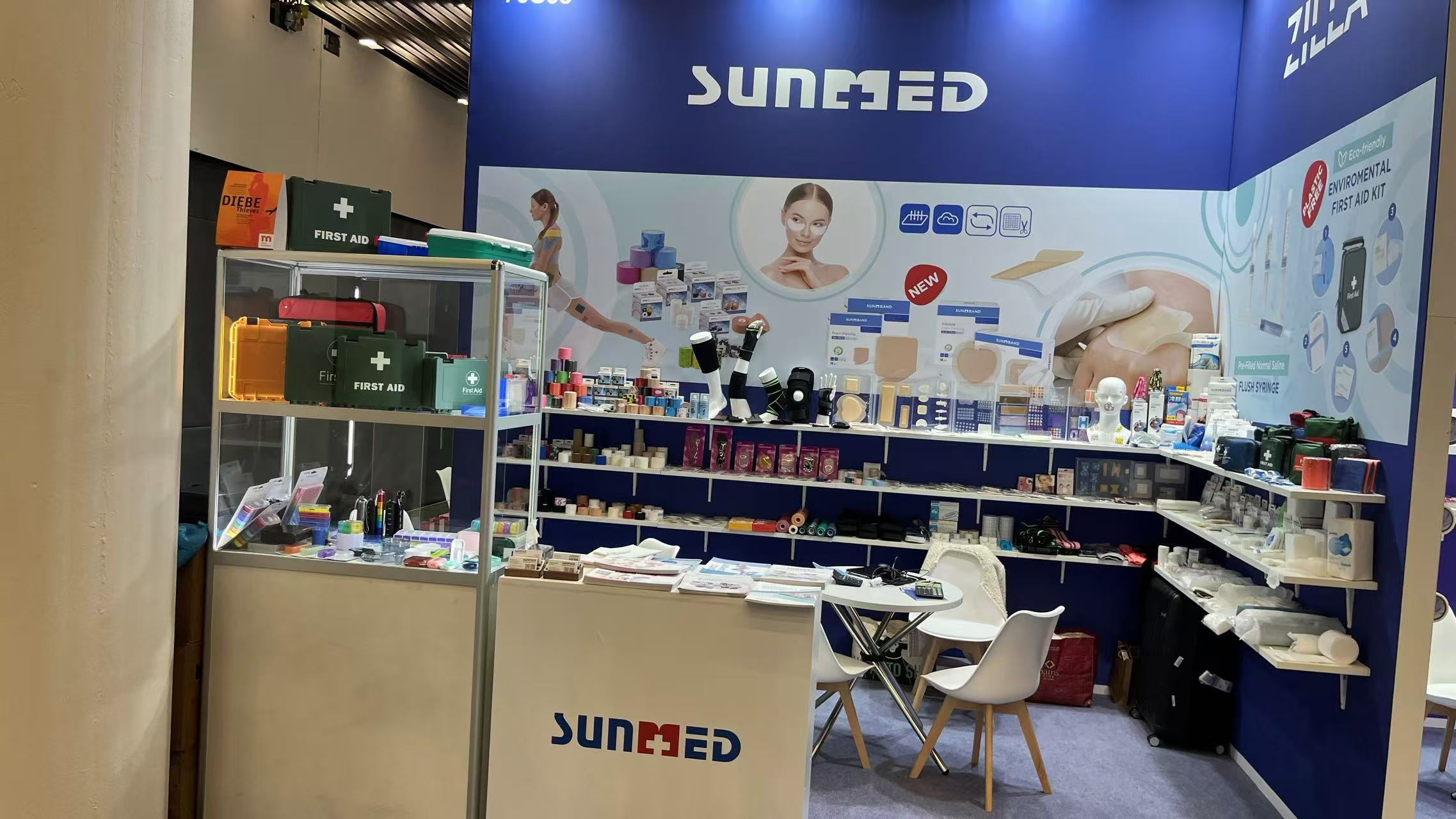
Suzhou Sunmed first aid kit factory supports wholesale buyers and distributors with the production and customization of first aid kits designed for a range of applications, from household use to workplace safety compliance and outdoor activity kits. Working with an established Suzhou Sunmed first aid kit factory partner allows buyers to source consistently assembled kits without needing to individually source and coordinate dozens of separate component suppliers, which significantly simplifies the overall procurement process.
This kind of consolidated manufacturing approach also supports better quality control, since a single experienced manufacturer can maintain consistent standards across wound care supplies, tools, and container assembly within each kit produced. For buyers developing private-label first aid kit product lines, working with a manufacturer capable of both component sourcing and final kit assembly reduces coordination complexity while helping maintain consistent product quality across large order volumes.
- Custom kit configurations tailored to home, workplace, travel, or outdoor use
- Component sourcing aligned with quality and shelf-life requirements
- Container options ranging from soft pouches to hard-shell cases
- Private-label packaging and labeling support for retail distribution
Building a Reliable Long-Term Kit Sourcing Strategy
Sourcing first aid kits for wholesale distribution is most effective when treated as an ongoing partnership rather than a one-time transaction. As demand grows across retail, workplace safety, and outdoor recreation markets, buyers benefit from working with a manufacturer capable of scaling production while maintaining consistent kit assembly quality and component sourcing standards over time.
A dependable manufacturing partner should communicate transparently about production timelines, remain responsive to evolving regulatory requirements across different markets, and demonstrate flexibility in adjusting kit configurations as customer needs shift. Buyers evaluating potential partners should look closely at a manufacturer's broader experience across medical consumables production, since this often reflects a deeper understanding of the quality and compliance standards necessary for building trustworthy first aid products.
Ultimately, sourcing first aid kits at scale requires balancing component quality, container durability, regulatory compliance, and dependable manufacturing capacity. Buyers who thoroughly evaluate these factors, and who work with an experienced first aid kit manufacturing partner, are better positioned to build a product line that customers can genuinely rely on during real emergency situations.

 日本語
日本語 한국어
한국어 Tiếng Việt
 عربى
عربى Nederlands
 Bahasa Melayu
 Polskie
 Português
 ไทย
ไทย svenska
 עִברִית
 norsk
norsk Suomalainen
 Ελληνικά
 Română
 čeština
 Magyar
 Pilipino
 Український
 dansk
dansk pt-br
pt-br By Admin