What Is a Crepe Bandage and What Makes It Unique?
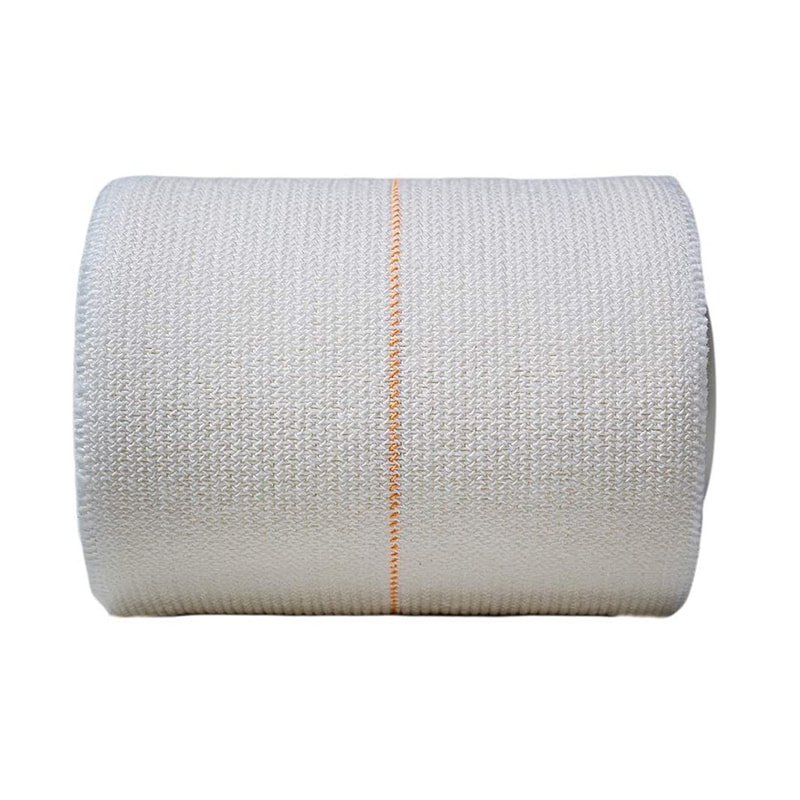
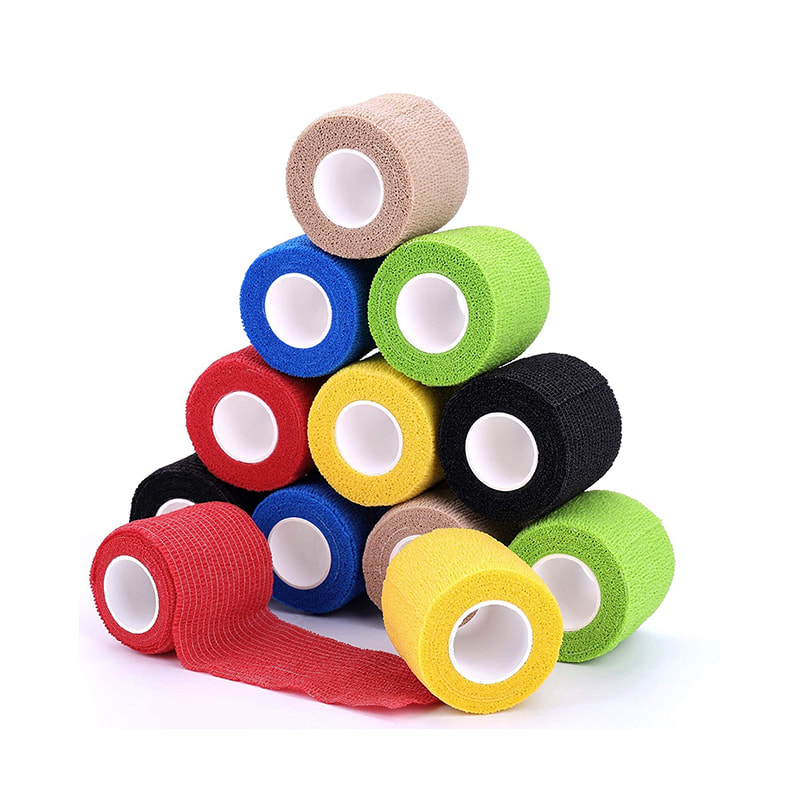
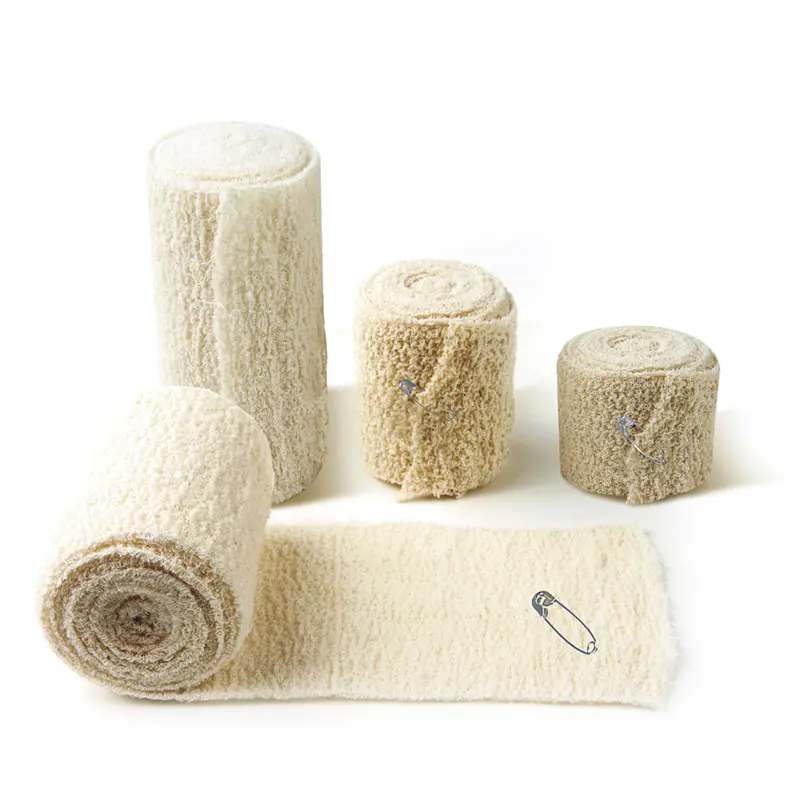
A crepe bandage is a type of elastic bandage distinguished by its characteristic crinkled or crimped fabric texture, which gives it a distinctive appearance and a specific set of functional properties that set it apart from plain woven bandages. The word "crepe" refers to the puckered surface finish of the fabric, achieved through a special weaving or finishing process that introduces a degree of controlled elasticity into the material. This elasticity allows the bandage to stretch, conform to body contours, and provide consistent, moderate compression without the rigid restriction of non-elastic alternatives.
Crepe bandages are typically manufactured from cotton, cotton-polyester blends, or cotton with elastic yarn incorporated into the weave. The crepe finish is created by weaving threads at different tensions or by using yarns with different shrinkage rates, causing the fabric to pucker and create a slightly raised, textured surface. This texture has a practical benefit beyond aesthetics: it increases the surface friction of the bandage, helping each layer grip the one beneath it more effectively and reducing the tendency of the bandage to slip during movement — a common complaint with smoother elastic bandages.
The result is a bandage that is soft, breathable, moderately elastic, conforming, and self-gripping — properties that make it suitable for a broad range of clinical and first aid applications. Crepe bandages are reusable in many formats, washable, and available in a wide range of widths to accommodate different body parts and clinical needs.
Key Physical Properties of a Quality Crepe Bandage
The clinical effectiveness of a crepe bandage depends on a combination of physical properties that must be consistently present throughout the product. Understanding these properties helps clinicians and procurement teams evaluate product quality and suitability before purchasing.
- Moderate elasticity: Crepe bandages stretch to approximately 1.5 to 2 times their resting length, providing enough give to accommodate limb movement and swelling changes without generating the high, potentially damaging pressures associated with strongly elastic compression bandages.
- Good elastic recovery: After stretching, a quality crepe bandage should return close to its original dimensions. Poor elastic recovery leads to a bandage that becomes loose and ineffective within hours of application, requiring frequent reapplication.
- Breathability: The open, textured weave of crepe fabric allows air to circulate between the bandage and the skin surface. This is particularly important during extended wear, as it reduces moisture accumulation, skin maceration, and the discomfort associated with a hot, occlusive dressing.
- Conformability: A crepe bandage must mold smoothly to irregular body surfaces such as the ankle, elbow, and knee without creasing, folding, or creating pressure ridges that could cause localized pressure injuries.
- Self-gripping texture: The crepe surface creates friction between layers, helping the bandage stay in position during patient movement. This reduces the need for pins, clips, or tape to secure the dressing, lowering the risk of skin puncture injuries or adhesive-related reactions.
- Washability and reusability: Most cotton crepe bandages are designed to withstand repeated gentle washing cycles without significant loss of elasticity, texture, or dimensional stability, making them a cost-effective option for facilities with high bandage turnover.
Clinical Applications: Where Crepe Bandages Are Most Effective
Crepe bandages are used across a broad range of clinical settings, from emergency departments and orthopedic wards to sports medicine clinics and community first aid. Their moderate compression profile and conforming properties make them appropriate for conditions where strong compression is not required but consistent, gentle support is beneficial.
Sprains, Strains, and Soft Tissue Injuries
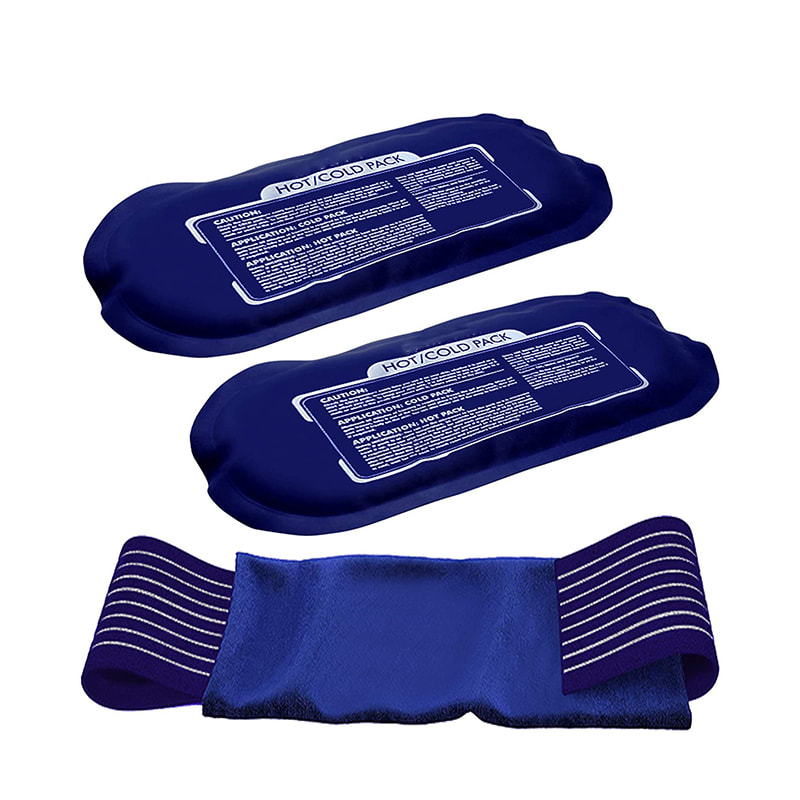
The most widespread use of crepe bandages is in the management of musculoskeletal soft tissue injuries — particularly ankle sprains, wrist strains, and knee ligament injuries. In the acute phase following injury, a crepe bandage applied as the compression component of the R.I.C.E. protocol (Rest, Ice, Compression, Elevation) helps limit swelling by reducing the space available for inflammatory fluid to accumulate in the tissues. The moderate stretch of crepe fabric is ideally suited to this application because it provides meaningful compression without the risk of over-tightening that exists with stronger elastic bandages, particularly when applied by non-specialist first-aiders.
Securing Wound Dressings
Crepe bandages are frequently used as a secondary layer to hold primary wound dressings — such as paraffin gauze, foam dressings, or non-adherent pads — firmly against the wound surface. The self-gripping texture of the crepe fabric prevents the outer bandage layer from slipping, maintaining dressing position even on anatomically awkward sites like the heel, shoulder, or elbow. This application is common in hospital wards, outpatient wound care clinics, and home care settings where patients need reliable dressing fixation between clinic visits.
Post-Surgical Support and Edema Management
Following orthopedic procedures such as knee arthroscopy, ankle reconstruction, or hand surgery, crepe bandages are applied to manage post-operative swelling and provide gentle support to the operated site during the early healing phase. The graduated compression delivered by a correctly applied crepe bandage helps reduce edema, supports venous drainage from the limb, and provides proprioceptive feedback that can improve patient confidence during early mobilization. Unlike rigid casting materials, the crepe bandage allows the clinical team to adjust compression easily as post-operative swelling evolves.
Rheumatological and Chronic Joint Conditions
Patients with rheumatoid arthritis, osteoarthritis, or other inflammatory joint conditions sometimes use crepe bandages to provide warmth and mild compression to affected joints — particularly the wrists, hands, and knees. The gentle compression can help reduce the sensation of joint instability and provide comfort during flare-ups. In these applications, the bandage serves more of a supportive and comfort function than a strict therapeutic compression role, and its soft, non-irritating texture is an important factor in patient acceptance.
Padding and Protective Wrapping
In orthopedic and emergency care, crepe bandages are used as padding layers beneath plaster casts or rigid splints. Placed between the skin and the rigid outer layer, the crepe bandage cushions bony prominences, absorbs minor exudate from abrasions beneath the cast, and provides a soft interface that improves patient comfort during immobilization. This application is also used in sports settings, where crepe bandages under rigid taping protect the skin from blistering and abrasion during athletic activity.
Crepe Bandage vs. Other Bandage Types: A Practical Comparison
Understanding how crepe bandages compare to other common bandage types helps practitioners select the most appropriate product for each clinical situation, avoiding both under-treatment and the complications associated with excessive compression.
| Bandage Type |
Elasticity Level |
Compression Level |
Best Use Case |
| Crepe Bandage |
Moderate |
Light to moderate |
Sprains, dressing retention, post-surgical support |
| High-Stretch Elastic Bandage |
High |
Moderate to high |
Venous leg ulcers, lymphedema, DVT prevention |
| Cohesive Bandage |
Moderate to high |
Moderate |
Athletic taping, securing dressings without adhesive |
| Conforming Gauze Bandage |
Low |
Light |
Wound dressing retention on low-movement areas |
| Plaster of Paris Bandage |
None |
Rigid immobilization |
Fracture management, rigid splinting |
Crepe bandages occupy the middle ground in this spectrum — providing more support and compression than simple conforming gauze, but avoiding the high pressures that require clinical expertise to apply safely. This makes them an ideal choice for first aid settings, general ward use, and home care where the person applying the bandage may not have specialist compression therapy training.
How to Apply a Crepe Bandage: Step-by-Step Guidance
Correct application technique is critical to achieving the therapeutic benefits of a crepe bandage while avoiding the complications of over-tightening or poor coverage. The following steps outline the standard approach for limb bandaging.
- Prepare the area: Ensure the skin is clean and dry. If applying over a wound dressing, confirm the primary dressing is correctly positioned before beginning the bandage wrap.
- Position the limb: Place the limb in a functional position — ankle at 90 degrees, wrist in neutral, knee slightly flexed. This prevents the bandage from becoming constricting when the patient resumes normal movement.
- Start distally: Begin wrapping at the farthest point from the body (toes, fingers, or foot) and progress toward the body. Use two anchor turns at the starting point to secure the beginning of the bandage.
- Overlap each turn by half: Apply each successive turn so that it covers approximately half of the previous layer, ensuring even compression distribution and no uncovered gaps in the bandaged area.
- Maintain consistent, moderate tension: Apply the bandage with steady, even tension — firm enough to provide support but not so tight that the fabric stretches to its maximum extent. The crepe bandage should be applied at approximately 50–70% of its maximum stretch for most applications.
- Secure the end and assess circulation: Fasten the bandage with the clip provided or use medical tape. Immediately check the distal digits for warmth, normal skin color, sensation, and capillary refill. If any circulatory impairment is detected, loosen and reapply.
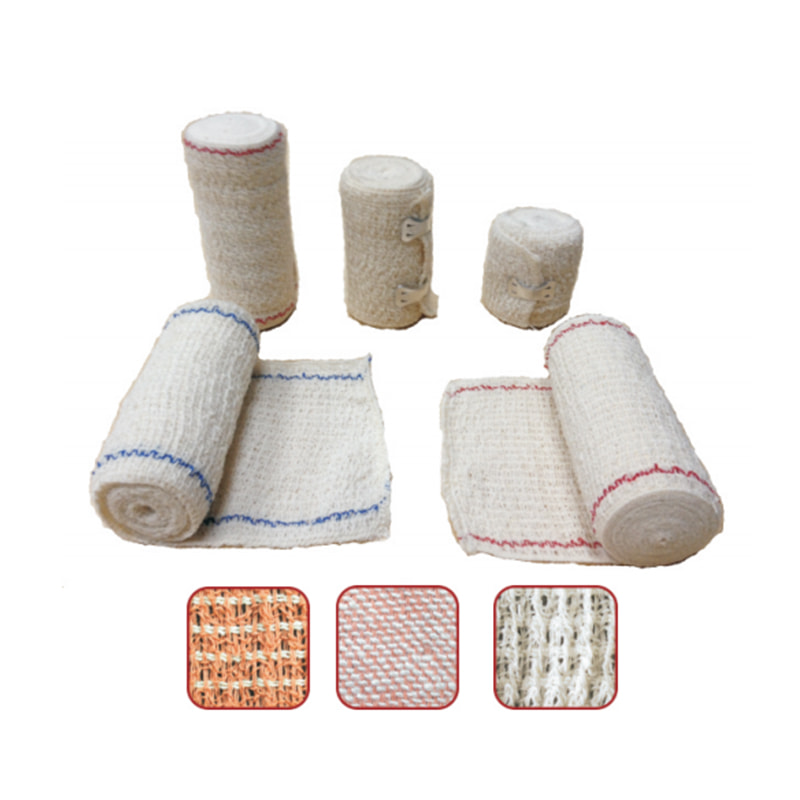
Suzhou Sunmed Crepe Bandage: Consistent Quality for Clinical and Commercial Use
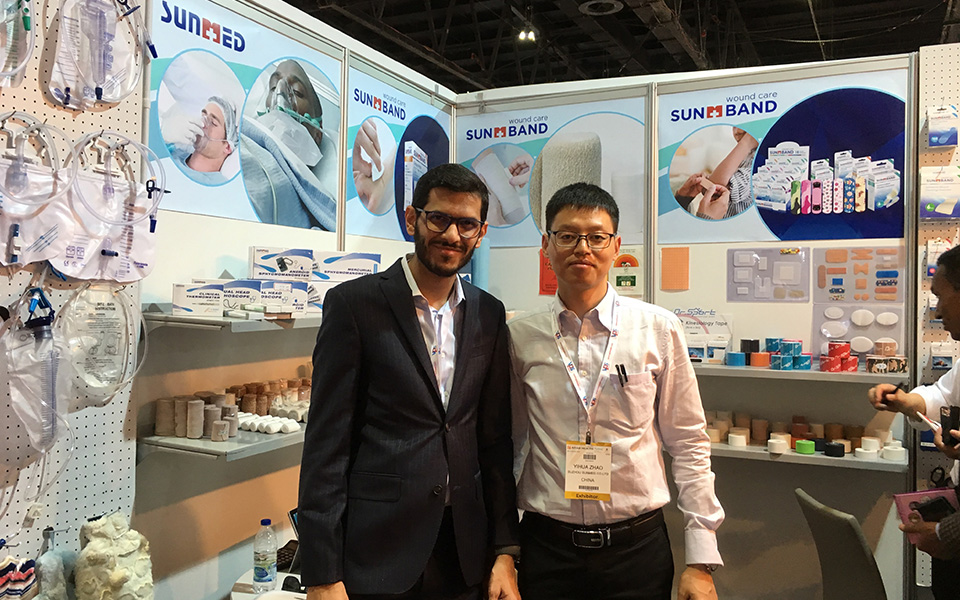
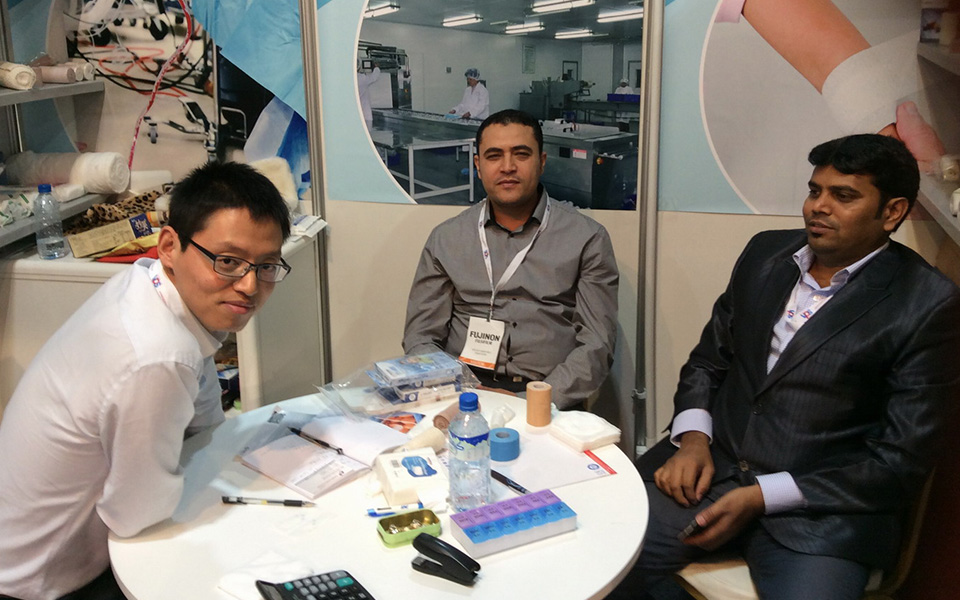
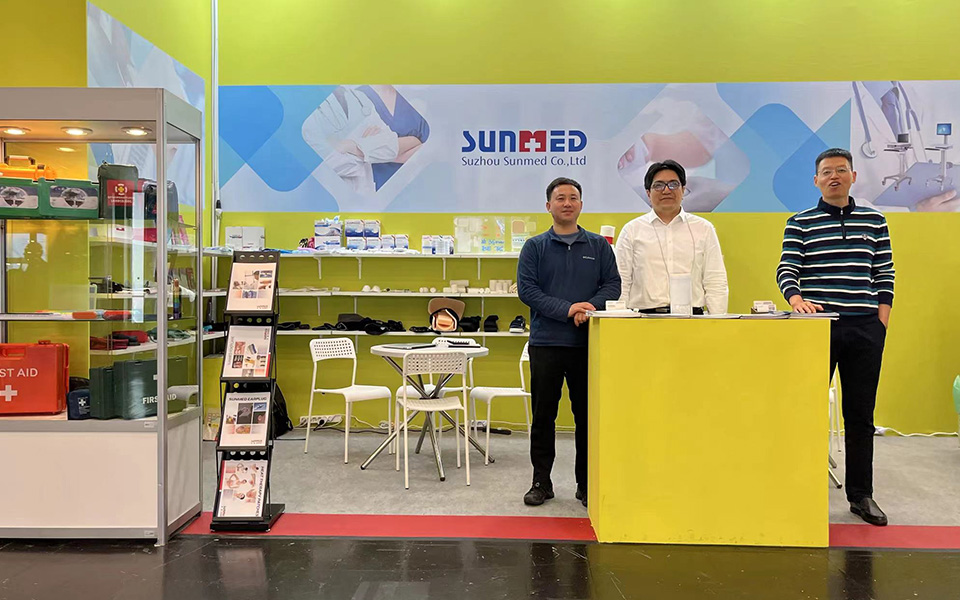
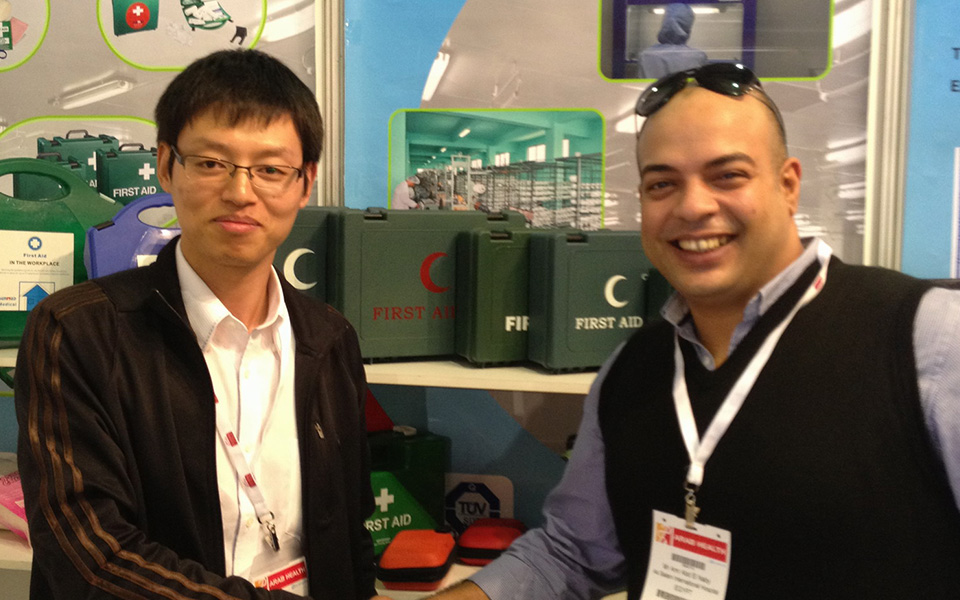
Suzhou Sunmed Co., Ltd. is a professional medical consumables manufacturer based in Suzhou, China, with crepe bandages as a key product in its wound care and bandaging range. As a direct manufacturer rather than a trading intermediary, Sunmed maintains complete oversight of raw material procurement, weaving, finishing, quality inspection, and packaging — allowing the company to guarantee consistent product standards across every production batch.
Suzhou Sunmed crepe bandages are produced from high-quality cotton yarns selected for their uniformity, absorbency, and suitability for medical textile applications. The crepe weave is engineered to deliver the moderate elasticity and self-gripping surface texture that define a clinically effective crepe bandage. Products are available in a comprehensive range of widths — from narrow 5 cm rolls for wrist and hand applications to wide 15 cm rolls for thigh and trunk bandaging — ensuring that healthcare buyers can source their entire crepe bandage requirement from a single supplier.
Why Source Crepe Bandages from Suzhou Sunmed
- Manufacturing expertise: Sunmed specializes in medical bandaging and wound care products, meaning crepe bandage production benefits from dedicated process knowledge and quality control infrastructure rather than being a peripheral product line.
- Batch consistency: Consistent elasticity, fabric weight, and dimensional accuracy across production batches are essential for clinical procurement. Sunmed's controlled manufacturing environment ensures these parameters remain stable order to order.
- Flexible packaging options: Crepe bandages are available in individual packaging for retail and first aid kit assembly, as well as bulk packaging for hospital and clinical facility procurement, supporting diverse customer supply chain models.
- International compliance: Products are manufactured with attention to international medical device standards, and Sunmed provides the documentation and certifications needed to support import and distribution in key global markets.
- Long-term partnership orientation: Sunmed prioritizes stable, ongoing supplier relationships with distributors and healthcare organizations, offering reliable lead times, responsive communication, and a commitment to meeting evolving product specification needs over the long term.
For distributors building medical supply portfolios, hospitals managing consumable procurement budgets, and first aid kit manufacturers sourcing reliable bandage components, Suzhou Sunmed offers a compelling combination of product quality, manufacturing depth, and commercial reliability. The crepe bandage — despite being a mature, well-established product — continues to be one of the most consistently demanded items in medical consumables procurement worldwide, and sourcing it from a manufacturer with the expertise and capacity of Suzhou Sunmed ensures that supply quality meets the standard that clinical use demands.

 日本語
日本語 한국어
한국어 Tiếng Việt
 عربى
عربى Nederlands
 Bahasa Melayu
 Polskie
 Português
 ไทย
ไทย svenska
 עִברִית
 norsk
norsk Suomalainen
 Ελληνικά
 Română
 čeština
 Magyar
 Pilipino
 Український
 dansk
dansk pt-br
pt-br By Admin