What Is Paraffin Gauze and How Does It Work?
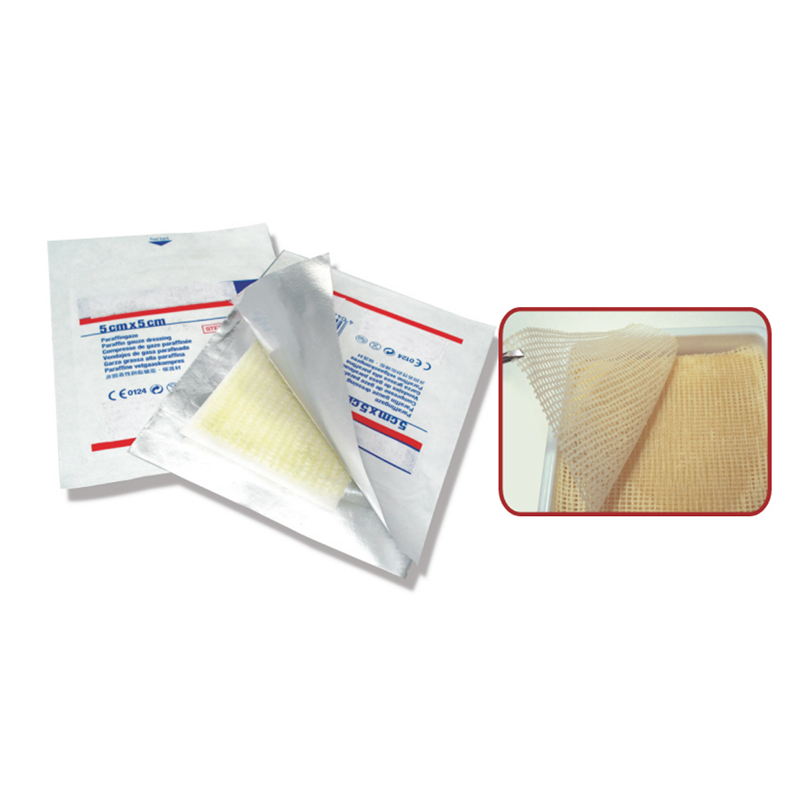
Paraffin gauze is a sterile, non-adherent wound dressing made from an open-weave fabric — typically cotton or viscose — impregnated with soft white paraffin (petroleum jelly). The paraffin coating serves a dual purpose: it keeps the dressing moist at the wound surface and prevents the gauze from sticking to the delicate new tissue forming during the healing process. When a conventional dry dressing adheres to a wound, removal can tear away newly regenerated cells, causing pain and delaying recovery. Paraffin gauze eliminates this risk by creating a low-adherence interface between the wound bed and the outer absorbent secondary dressing.
The open mesh structure of paraffin gauze allows wound exudate — the fluid produced by the body during healing — to pass freely through into the secondary dressing layer. This drainage capability prevents maceration, a condition where skin becomes overly softened and breaks down due to prolonged moisture exposure. The balance between maintaining a moist healing environment and allowing excess fluid to escape makes paraffin gauze a clinically effective and widely trusted choice in modern wound management.
Key Clinical Applications of Paraffin Gauze
Paraffin gauze is used across a broad range of wound types in hospitals, clinics, and home care settings. Its versatility and gentle performance make it suitable for some of the most sensitive wound presentations encountered in clinical practice.
- Burns: Superficial and partial-thickness burns benefit greatly from paraffin gauze. The non-stick surface minimizes trauma during dressing changes, which can be extremely painful for burn patients. The dressing conforms well to irregular body contours, providing consistent coverage.
- Skin grafts and donor sites: Following surgical skin grafting, the donor site is a raw, sensitive wound. Paraffin gauze protects the area while allowing the graft to stabilize and new epithelium to form undisturbed.
- Abrasions and lacerations: Road rash, cuts, and traumatic skin loss respond well to paraffin gauze, especially in pediatric patients where dressing changes must be as pain-free as possible.
- Post-surgical wounds: Clean surgical incisions and minor excision wounds are often dressed with paraffin gauze to maintain a clean, moist environment while protecting the site from external contamination.
- Leg ulcers and chronic wounds: In combination with compression therapy, paraffin gauze is used as a primary contact layer for venous leg ulcers, pressure injuries, and diabetic foot ulcers.
Comparing Paraffin Gauze Variants: Standard vs. Medicated
Not all paraffin gauze products are identical. Depending on the clinical need, practitioners can choose between plain paraffin gauze and formulations enhanced with antimicrobial or soothing agents. Understanding these differences helps in selecting the right product for each wound type.
| Type | Composition | Best For | Key Benefit |
| Standard Paraffin Gauze | Cotton/viscose soft white paraffin | Burns, abrasions, grafts | Non-adherent, low trauma |
| Chlorhexidine Paraffin Gauze | Gauze paraffin chlorhexidine acetate | Infected or high-risk wounds | Antimicrobial protection |
| Framycetin Gauze (Sofra-Tulle) | Gauze paraffin framycetin sulfate | Contaminated wounds | Antibiotic action against gram-negative bacteria |
| Calamine Paraffin Gauze | Gauze paraffin calamine | Irritated or pruritic skin | Soothing and anti-itch |
For the majority of clean acute wounds, standard paraffin gauze is the first-line choice. Medicated variants are reserved for situations where additional therapeutic action is required, and clinician guidance should always be followed when selecting between options.
How to Apply and Change Paraffin Gauze Correctly
Proper application technique significantly impacts healing outcomes. Paraffin gauze is typically used as a primary (contact) layer, directly placed on the wound, with an absorbent secondary dressing applied on top and secured with bandages or medical tape.
Step-by-Step Application Guide
- Clean the wound thoroughly with an appropriate wound cleanser or saline solution and allow it to dry slightly before dressing.
- Open the sterile paraffin gauze packaging using an aseptic technique, avoiding contact with non-sterile surfaces.
- Cut the gauze to an appropriate size — it should cover the wound and extend at least 1 cm beyond the wound edges on all sides.
- Place the gauze directly onto the wound surface without overlapping multiple layers excessively, as this can retain moisture and promote maceration.
- Apply an absorbent secondary dressing — such as sterile gauze pads or foam dressing — over the paraffin layer to manage exudate.
- Secure the dressing with a bandage, medical tape, or cohesive wrap, ensuring it is firm but not constrictive.
Dressing Change Frequency
The frequency of dressing changes depends on wound type, exudate level, and clinical condition. For low-exudate wounds, paraffin gauze may remain in place for 24–48 hours. High-exudate wounds may require daily changes. Always follow the guidance of a healthcare professional and inspect the wound at every change for signs of infection such as increasing redness, warmth, swelling, or purulent discharge.
Suzhou Sunmed: A Reliable Paraffin Gauze Manufacturer
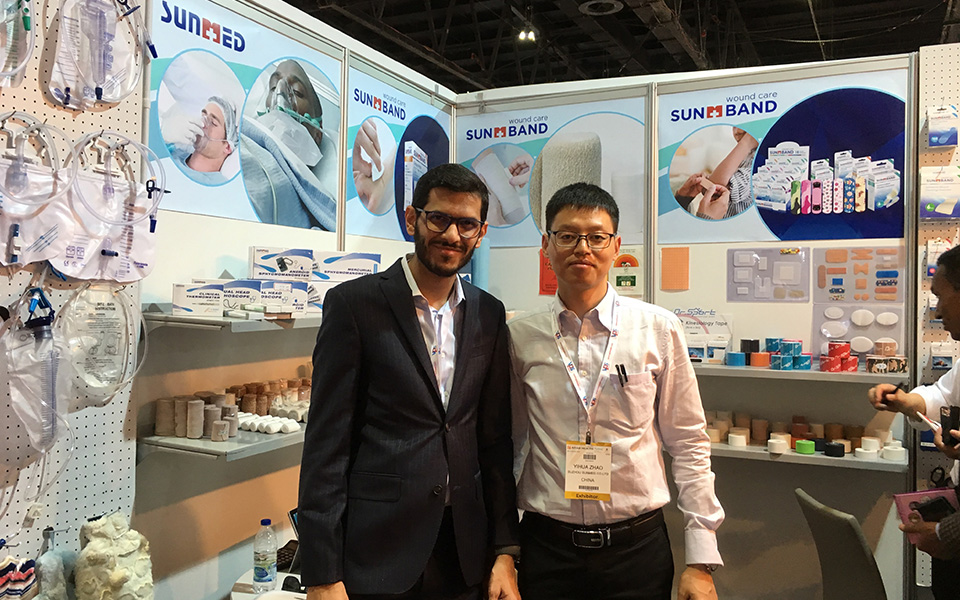
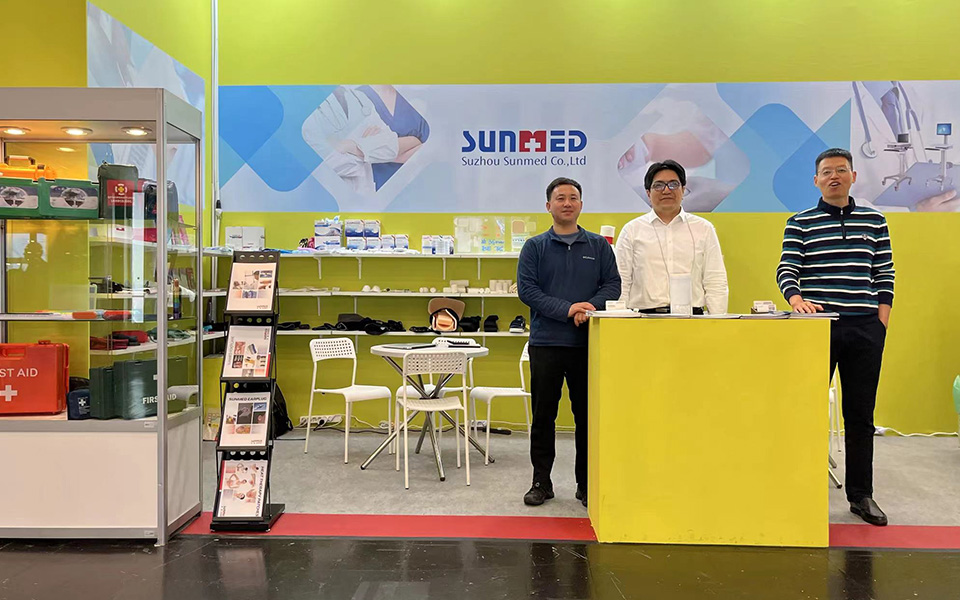
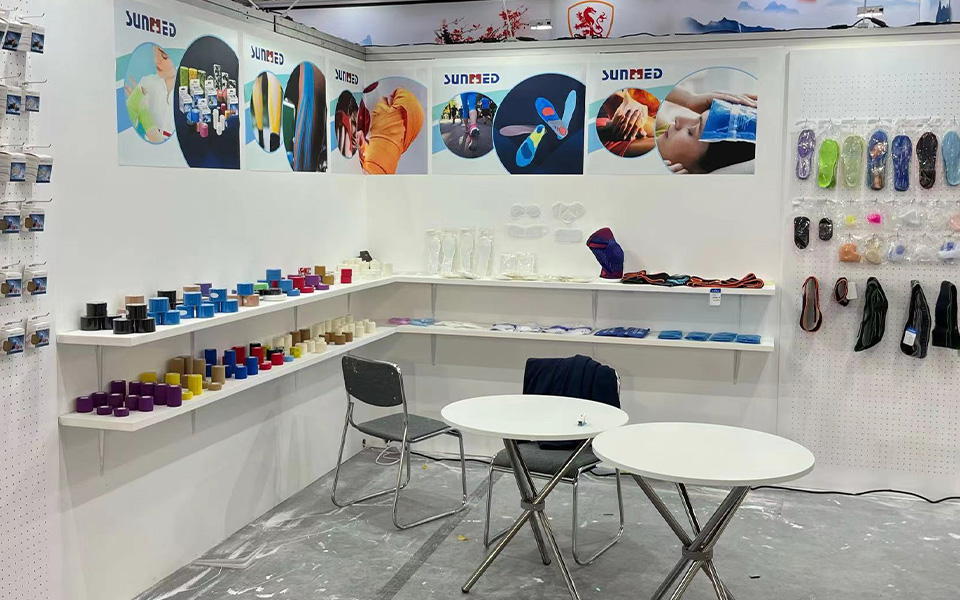
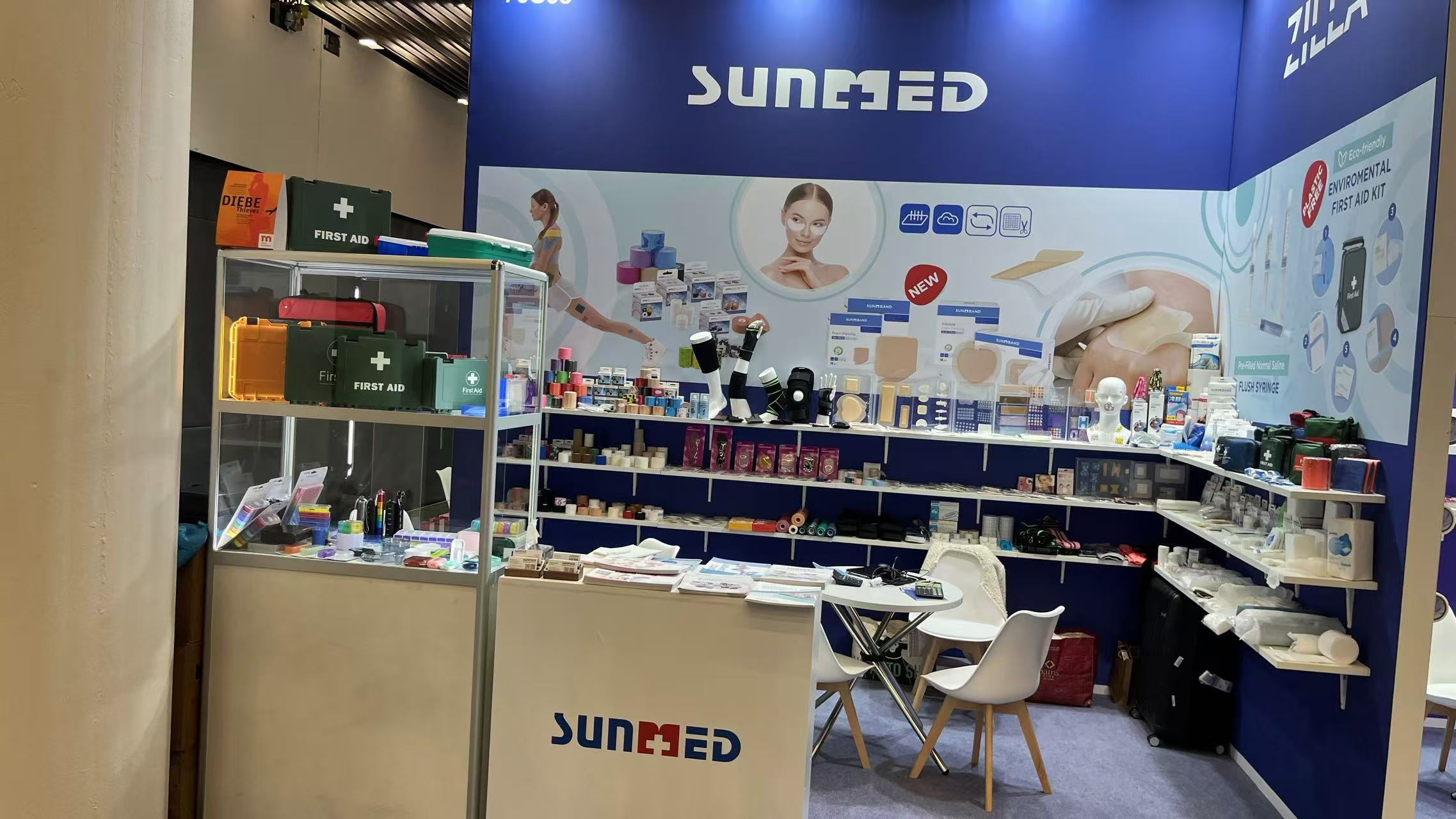
Among the manufacturers producing paraffin gauze for global markets, Suzhou Sunmed Co., Ltd. has established itself as a credible and quality-driven supplier based in Suzhou, China. The company specializes in sterile medical dressings and wound care products, with paraffin gauze being one of its core product lines.
Suzhou Sunmed paraffin gauze is manufactured under strict quality control standards and is designed to meet international medical device requirements. Their products are typically available in a range of sizes to accommodate different wound dimensions, from small pediatric wounds to large burn areas requiring extensive coverage. Standard packaging is individually wrapped and sterilized, making the dressings ready for immediate clinical use.
Product Features of Suzhou Sunmed Paraffin Gauze
- Soft white paraffin impregnation: Ensures consistent coating across the entire gauze surface for reliable non-adherent performance throughout the dressing's wear time.
- Open weave fabric: Promotes exudate passage, reducing the risk of wound maceration and maintaining a balanced moisture environment.
- Sterilized packaging: Each unit is individually sterilized (typically via gamma irradiation or EO sterilization) to ensure patient safety and compliance with sterile field requirements.
- Multiple size options: Available in standard sizes such as 10×10 cm and 10×30 cm, with customized dimensions available for bulk procurement.
- Export compliance: Suzhou Sunmed supplies to international markets and maintains certifications relevant to medical device export requirements, making it a practical sourcing option for global distributors and healthcare procurement teams.
For hospitals, clinics, and medical distributors seeking a consistent and cost-effective supply of paraffin gauze, Suzhou Sunmed represents a well-established manufacturing partner with a track record in sterile wound care product production.
Storage, Shelf Life, and Safety Considerations
Paraffin gauze must be stored correctly to maintain its sterility and clinical performance. Improper storage can compromise the dressing's integrity and pose infection risks to patients.
- Temperature: Store in a cool, dry environment away from direct sunlight. Extreme heat can cause the paraffin to melt and redistribute unevenly within the packaging.
- Humidity: Keep away from high-humidity environments. Moisture infiltration can degrade packaging integrity and compromise sterility.
- Shelf life: Most sterile paraffin gauze products have a shelf life of 3–5 years from the date of manufacture, provided the packaging remains intact and undamaged.
- Single use only: Paraffin gauze is a single-use medical product. It must never be re-sterilized or reused, as this compromises both sterility and product integrity.
- Contraindications: Paraffin gauze should not be used on patients with known sensitivity to paraffin or petroleum-based products. Always review patient history before dressing selection.
Why Paraffin Gauze Remains a Wound Care Staple
Despite the proliferation of advanced wound care technologies — including hydrocolloids, foam dressings, silver-containing materials, and negative pressure wound therapy — paraffin gauze has maintained its place as a foundational wound dressing. Its staying power lies in its simplicity, cost-effectiveness, and proven clinical performance across decades of use.
In resource-limited settings, paraffin gauze offers an affordable, reliable option for managing a wide variety of wounds without requiring specialized application skills. In high-resource environments, it continues to serve as the preferred primary contact layer for burns and grafts precisely because advanced alternatives have not consistently outperformed it for these specific indications. The combination of its atraumatic removal, exudate management, and broad compatibility with secondary dressings makes it an enduring and practical clinical tool.
When sourcing paraffin gauze — whether for a hospital formulary, a clinic supply chain, or international distribution — product quality, sterility assurance, and reliable supply are the critical factors. Manufacturers like Suzhou Sunmed that focus specifically on sterile wound care products and comply with international standards represent the kind of sourcing partners that support consistent patient outcomes across diverse healthcare environments.

 日本語
日本語 한국어
한국어 Tiếng Việt
 عربى
عربى Nederlands
 Bahasa Melayu
 Polskie
 Português
 ไทย
ไทย svenska
 עִברִית
 norsk
norsk Suomalainen
 Ελληνικά
 Română
 čeština
 Magyar
 Pilipino
 Український
 dansk
dansk pt-br
pt-br By Admin